

Overview S.P.A Education Limited's ABE Diploma Programmes are designed to equip you with the skills and knowledge necessary for a successful career in accounting and business. Our programmes are structured across three levels, catering to different stages of your academic and professional development: ABE Level 4, Level 5, and Level 6 Diplomas. Each level builds on the previous one, providing a progressive learning experience that covers essential topics such as financial accounting, business management, marketing, and human resources. Whether you are just starting out or looking to enhance your expertise, our diplomas are tailored to meet your needs and help you achieve your career goals. At S.P.A. Education Limited, we emphasize practical learning and real-world applications. Our experienced faculty, industry connections, and state-of-the-art facilities ensure that you receive a high-quality education that is relevant and up-to-date with current industry standards. Available Qualifications: - ABE Level 4 Foundation Diploma in Business Management - Price TT$4,990; Level 4; 4 units; 300 learning hours. A good general grounding in core aspects of business; same level of difficulty as year one of a Bachelors degree. - ABE Level 5 Diploma in Business Management - Price TT$8,590; Level 5; 6 units; 420 learning hours; 120 credits. Develops a strategic understanding of business management principles; same difficulty as year two of a Bachelors degree. - ABE Level 5 Diploma in Business Management and Human Resources - Price TT$8,590; Level 5; 6 units; 420 learning hours; 120 credits. - ABE Level 5 Diploma in Business Management and Marketing - Price TT$8,590; Level 5; 6 units; 420 learning hours; 120 credits. - ABE Level 6 Diploma in Business Management - Price TT$9,000; Level 6; 6 units; 300 learning hours; 120 credits. Same difficulty as the final year of a Bachelors degree. - ABE Level 6 Diploma in Business Management and Human Resources - Price TT$9,000; Level 6; 6 units; 300 learning hours; 120 credits. - ABE Level 6 Diploma in Business Management and Marketing - Price TT$9,000; Level 6; 6 units; 300 learning hours; 120 credits. ABE Tuition + Exam Fees: ABE Registration fee is a ONE-TIME payment for each level paid directly to ABE, plus an annual subscription/reactivation fee due one year after registration also paid directly to ABE. There is a centre registration fee of TT$200 from the second semester paid to S.P.A Education Limited. Registration and Exam Fees: Foundation total £290/TT$2,900 (4 modules; registration £50; subscription £50/yr; exam fee £60 per module, £240 total); Level 4 total £530/TT$5,300 (8 modules; registration £50; exam £60/module, £480 total); Level 5 total £515/TT$5,150 (6 modules; registration £65; exam £75/module, £450 total); Level 6 total £590/TT$5,900 (6 modules; registration £80; exam £85/module, £510 total). Tuition in TT$ (payment plans available): Foundation TT$4,990; Level 5 TT$8,590; Level 6 TT$9,000. Module fees in TT$ (per individual module): Level 4 TT$900; Level 5 TT$1,100; Level 6 TT$1,200. Awarding body: ABE (UK).
Begin your journey toward a globally recognized accounting qualification with ACCA Applied Knowledge at S.P.A. Education Ltd.

Course Overview: This course introduces students to Windows Server 2016 Active Directory. Upon completion, students should be able to perform tasks related to planning, configuring, implementing and administering an Active Directory Infrastructure in an Enterprise. They should have an understanding and be able to implement a File Server, Print Server and VPN server. The student should be familiar with PowerShell and be able to perform simple administrative tasks via the command line. Learning Outcomes: Upon successful completion of this course, students will be able to: - Describe the logical and physical components of Active Directory. - Create and configure a forest and domain structure by using an Active Directory infrastructure design. - Plan and implement an organizational unit structure. - Plan and implement Active Directory user, group, and computer accounts. - Plan and implement a Group Policy strategy to centrally manage users and computers in an enterprise. - Plan and implement a File Server, Print Server and VPN Server - Administer Active Directory and Group Policies via the RSAT tools - Use simple PowerShell commands to administer Active Directory Minimum System Requirements: CPU: Intel or AMD 64-bit, 2.9 GHz or faster; RAM: 8 GB; HDD: 50 GB; OS: 64-bit Windows 7 SP1; Screen: 1366 x 768; Broadband Internet. Recommended: CPU: 3.5 GHz or faster; RAM: 16 GB; HDD: 50 GB; GPU: NVIDIA GeForce GTX 960; OS: 64-bit Windows 10 (1809+); Screen: 1080p; Broadband Internet.

COURSE OVERVIEW: Administrative medical assistants are responsible for managing the front desk operations of a hospital, physician's office, or other medical facility so that doctors and other medical staff are free to provide the highest level of care to patients. In large facilities, administrative medical assistants work as part of a team, and are often responsible for managing multiple tasks in a high-pace work environment. Administrative medical assistants are responsible for a multitude of tasks that include communicating with patients, scheduling appointments, electronic medical coding, filing insurance claims, maintaining records, as well as accounting and billing. Administrative medical assistants are key players in providing healthcare facility support services. They are responsible for everything from making sure medical records are accurate to ensuring that medical facilities run smoothly. LEARNING OUTCOMES: Upon completion of this course students will be able to: - Develop the skills necessary to communicate with persons within and outside the clinical workplace and to understand the importance of communication - Apply the knowledge gained to the work environment - Understand and apply the skills required for an Administrative Medical Assistant - Function efficiently in a medical environment - Learn how to perform simple POCT

Course Details: In this course, you will learn the core skills that will help you use your resources efficiently, manage your time wisely, communicate effectively, and collaborate with others skill-fully. The practices presented in this module will take time to root into your daily work routine. However, making the commitment to consistently apply the concepts every day is the key to changing and adopting new behaviours in a short amount of time. AIM Aims entails as well as theories that can be applied in order to improve the overall operations of the organization. The aims are to help persons with: - Getting Organized - Effective time management and prioritization - Effective Communication Skills - Self-empowerment - Employee-Manager relations LEARNING OUTCOMES: Upon completion of this course students will be able to: - Adapt to the needs and styles of management - Communicate through written, verbal, and nonverbal methods - Improve time management skills - Manage meetings effectively - Act as a gatekeeper - Use the tools of the trade effectively Also includes: - How to maintain paper and electronic filing systems for records and messages - Route and distribute incoming mail and email - Answer routine letters and email - Reply and attach files to incoming messages - Correct spelling and grammar to ensure accuracy

Course Details: This course will enable participants to have advance knowledge of Electrical Installation. Topics include Illumination; Protection; Transformers; Generators; Turbines; Testing; Uninterruptible Power Supply and Regulations. Practical will include Switching, Trouble Shooting, and Termination. Upon completion, participants should have a better understanding of electrical concepts and should be able to apply relevant regulation to their project. Upon completion of this course students will: a) Understand various types of lighting and their applications. b) Understand the codes and standards related to commercial wiring. c) Understand various types of power generating apparatus. d) Understand how to trouble shoot and solve electrical problem. e) Be able to break a switch leg and make various connections. f) Be able to use material and equipment in electrical installations. Duration: 12 Weeks | Lectures: 14 | Quizzes: 1 | Level: Intermediate

COURSE OVERVIEW Advanced Graphic Design uses the enhancement of the Adobe Creative Suite software, which includes Photoshop, After Effects and Illustrator to create advanced graphic documents. Advanced style and techniques will be used throughout the layout and design process. The design process will be explored further, and students will be given more challenging graphic tasks and assignments. LEARNING OUTCOMES: Upon completion of this course, students will be able to: - Use advanced features of Illustrator & Photoshop - Design for Media - Develop Animation - Create Video Animation - Create Flash Design

COURSE OVERVIEW Advanced Computerized Accounting will expose individuals to accounting software programs that enhance and simplify traditional manual accounting practices. It will provide training in advanced accounting procedures in QuickBooks and Peachtree (Sage 50) Accounting. AIMS: The aim of this course is to provide the tools to effectively use QuickBooks and Sage 50 Accounting software to manage customers, suppliers and day-to-day finances as easily as possible. It will identify the benefits of managing all the different areas of business from invoicing customers and paying suppliers, to dealing with every aspect of your VAT and accounts. LEARNING OUTCOMES: Upon completion of this course students will be able to: - Perform advanced accounting procedures using Peachtree Accounting. - Perform accounting procedures using QuickBooks.

COURSE OVERVIEW: Artificial Intelligence (AI) Fundamentals is the study of the core concepts, tools, and practical applications of artificial intelligence in modern society and business. It explores how intelligent systems are designed to simulate aspects of human thinking such as learning, reasoning, decision-making, and problem-solving. As AI technologies increasingly influence industries, workplaces, and everyday life, understanding how to use these tools effectively has become an essential skill. This course is designed for both individuals with little or no technical background and those already familiar with information technology who wish to begin actively using AI tools. It provides an accessible introduction to AI concepts while progressively introducing more technical insights for learners who wish to deepen their understanding. Students will learn what AI is, how it works at a foundational level, and how to apply modern AI tools in real-world scenarios. Emphasis is placed on practical usage, responsible deployment, and critical evaluation of AI outputs. Non-technical learners will gain confidence in using AI tools for productivity, research, business tasks, and creative work. Technically inclined learners will develop a clearer understanding of the underlying mechanisms such as machine learning models, data training processes, and system limitations. The method for accomplishing this includes guided demonstrations, practical exercises using widely available AI platforms, real-world case studies, and structured discussions on ethical and responsible AI use. Learners will engage with generative AI systems, automation tools, and intelligent assistants while developing the ability to assess reliability, bias, and risk. Among the topics included in this course are: introduction to artificial intelligence, history and evolution of AI, types of AI systems, generative AI and large language models, machine learning fundamentals, data and algorithms, practical AI tool usage, AI for productivity and business, automation basics, prompt design principles, AI ethics and governance, bias and fairness in AI systems, and evaluating AI outputs. LEARNING OUTCOMES: Upon completion of this course learners will be able to: - Describe the fundamental concepts and terminology of Artificial Intelligence. - Explain the differences between AI, machine learning, and generative AI. - Confidently use common AI tools for research, writing, data analysis, automation, and productivity tasks. - Apply effective prompting techniques to improve AI-generated results. - Describe how data is used to train and influence AI systems. - Identify the strengths, limitations, and risks associated with AI technologies. - Evaluate AI outputs critically for accuracy, bias, and reliability. - Apply AI tools appropriately within business, educational, and professional environments. - Explain ethical considerations and responsible AI usage principles. - Communicate AI concepts clearly to both technical and non-technical audiences.

Course Overview This Air Conditioning & Refrigeration Course teaches the skills required to diagnose, maintain, and repair residential air conditioning and an introduction to commercial air conditioning and refrigeration equipment. At the end of this course students will be able to: - Understand the operation of Air Conditioning & Refrigeration Systems - Identify and describe the function of the major components of Air Condition and Refrigeration Systems - Determine refrigerant properties and characteristics as well the safe handling of refrigerants and cylinders - Understand the purpose and use of tools associated with the installation and maintenance of Air Condition & Refrigeration Systems.

COURSE OVERVIEW: Banking and Finance is a dynamic field that supports economic activity through the management of money, credit, investments, and financial risk. Financial institutions play a critical role in facilitating business growth, personal wealth management, international trade, and economic stability by providing financial services within established regulatory frameworks. The Certificate in Banking & Finance provides learners with foundational and practical knowledge of the banking and financial services sector. The course explores key areas such as financial management, the structure and operations of financial institutions, business financing, investment decision-making, working capital management, international banking, and mergers and acquisitions. Through a combination of theoretical instruction and real-world case studies, learners gain insight into how financial decisions are made and applied in professional environments. As learners progress through the course, they will develop the analytical and practical skills needed to operate effectively in various financial contexts. Emphasis is placed on understanding financial principles, evaluating financing and investment options, managing liquidity, administering loans, and recognizing the regulatory requirements that govern banking and financial operations. This programme is suitable for individuals seeking entry-level roles in banking and finance or those looking to strengthen their knowledge for career advancement in financial institutions and related sectors. Among the topics included in this course are: principles of financial management, financial services industry structure and operations, sources of business finance, investment appraisal techniques, working capital management, loan evaluation and administration, international banking operations and regulations, and mergers and acquisitions in the financial services sector. LEARNING OUTCOMES: Upon completion of this course students will be able to: - Explain fundamental concepts of financial management and describe their role in business decision-making. - Analyze the structure, functions, and operations of the financial services industry. - Assess various sources of business finance and determine their appropriate applications. - Apply investment appraisal techniques to support sound financial decision-making. - Manage working capital effectively to maintain business liquidity and profitability. - Evaluate, administer, and monitor loans within institutional and regulatory frameworks. - Describe the operations, risks, and regulatory requirements associated with international banking. - Examine mergers and acquisitions within the financial services sector and explain their strategic and financial implications. Duration: 10 Sessions
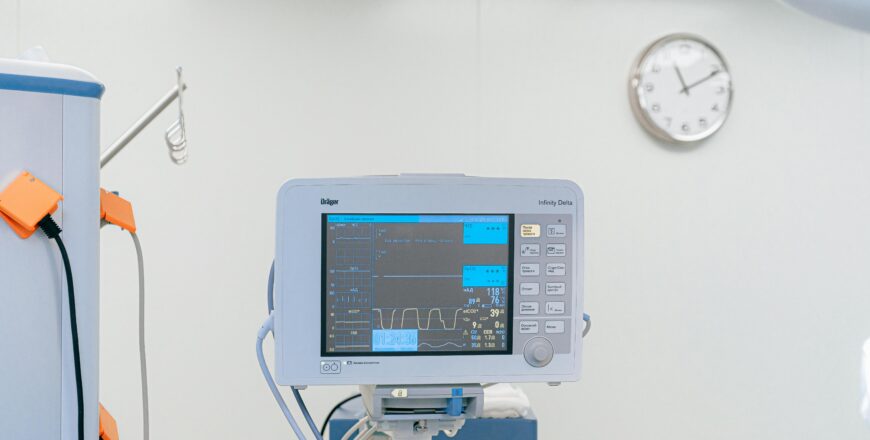
COURSE OVERVIEW: Biomedical Technology is a specialized technical field that focuses on the installation, inspection, maintenance, and repair of medical equipment used in healthcare facilities. Biomedical Technicians play a critical role in ensuring that medical devices function safely, accurately, and reliably, supporting patient care and clinical operations in hospitals, clinics, laboratories, and diagnostic centers. The Biomedical Technician course provides learners with foundational knowledge of biomedical equipment, basic electronics, medical instrumentation, and healthcare technology systems. The course emphasizes safe working practices, equipment operation, preventive maintenance, troubleshooting, and basic repair procedures for commonly used medical devices. Learners are also introduced to healthcare regulations, documentation practices, and quality assurance standards relevant to medical equipment management. Through a combination of theoretical instruction and applied learning, students will gain an understanding of how medical devices interact with electrical, mechanical, and electronic systems. The course prepares learners to support biomedical engineering departments and healthcare facilities by performing routine inspections, identifying faults, assisting with equipment installation, and ensuring compliance with safety and performance standards. Among the topics included in this course are: biomedical safety practices, basic electronics for biomedical applications, medical equipment classification, operation of diagnostic and therapeutic devices, preventive maintenance procedures, troubleshooting techniques, equipment calibration, documentation and reporting, and healthcare regulations and standards. LEARNING OUTCOMES: Upon completion of this course students will be able to: - Explain the role and responsibilities of a Biomedical Technician within a healthcare environment. - Demonstrate safe working practices when handling and servicing medical equipment, including adherence to infection control and electrical safety standards. - Identify common biomedical equipment and describe their functions and applications. - Apply basic electronic and mechanical principles to understand medical device operation. - Perform routine inspections, preventive maintenance, and basic servicing of medical equipment. - Diagnose common faults in biomedical devices using systematic troubleshooting techniques. - Assist with the installation, testing, and commissioning of medical equipment. - Calibrate and verify the basic performance of selected medical devices using appropriate procedures. - Maintain accurate service records, documentation, and reports in accordance with healthcare regulations and quality standards. - Support healthcare facilities in maintaining compliance with safety, operational, and regulatory requirements.

Award Type: Continuing Professional Development Certificate Study Options: Fully Online This course will provide students with a broad, integrative introduction to the theory and functions of Management. - It treats with the concepts, principles, approaches and practices of Management at the National and International levels. - It explores the new management ideas in the context of rapid change and globalization. While its main focus is on the Management of business organizations, it also recognizes the practicability of Management in the real world.

Course Overview This course is designed to furnish individuals with the necessary knowledge and skills needed to operate within the business environment. It is designed to give participants the tools required to understand organisational behaviour; teach persons how to identify and deal with conflict; apply motivational theories and how to function appropriately and effectively within a team. Some of the main highlights within this course will be to understand the core elements of Leadership, Psychology and Emotional Intelligence. The programme is geared towards building a solid foundation for understanding the business environment whilst equipping students with the specific learning needed to operate within an organisation. Learning Outcomes: Upon completion of this course students will be able to: - Understand what Business Psychology is - Understand the differences between Leadership and Management - Understand the appropriate workplace attitudes and behaviours - Apply Motivational theories and Conflict Resolution Methods - Understand and Manage Change and Diversity - Understand and effective function within a team

COURSE OVERVIEW: Business Startup and Forecasting is the study of the principles, strategies, and analytical techniques involved in creating, planning, and sustaining a successful business venture. This discipline focuses on transforming ideas into viable businesses through structured planning, financial analysis, and informed decision-making. It emphasizes understanding market conditions, resource allocation, risk assessment, and the financial performance of a business over time. This course introduces students to the essential concepts and practical skills required to start and manage a business, with particular focus on forecasting and planning for future growth. As students engage in this course, they will develop a strong foundation in entrepreneurship, business planning, and financial forecasting, enabling them to evaluate business opportunities and make data-driven decisions. The method for accomplishing this includes the application of theoretical concepts to real-world business scenarios, development of basic business plans, analysis of costs and revenues, and the preparation of financial forecasts such as cash flow projections, income statements, and break-even analyses. Students will also learn how to assess market demand, identify risks, and plan strategically for sustainability and expansion. Among the topics included in this course are: introduction to entrepreneurship, idea generation and validation, business models, market research, startup costs, pricing strategies, revenue forecasting, budgeting, cash flow management, financial projections, risk analysis, and business performance evaluation. LEARNING OUTCOMES: Upon completion of this course students will be able to: - Explain the fundamental concepts of entrepreneurship and business startups. - Identify viable business ideas and evaluate their feasibility in a competitive market. - Describe different types of business models and startup structures. - Conduct basic market research to assess customer needs and demand. - Identify startup costs and operational expenses associated with a new business. - Prepare basic financial forecasts, including sales, expenses, and cash flow projections. - Analyze financial data to support business decision-making. - Calculate break-even points and assess business profitability. - Identify common business risks and propose strategies to mitigate them. - Design and present a simple business startup plan incorporating forecasting and financial analysis.

Business Writing: This course will provide participants with proven techniques to deliver information powerfully, persuasively and professionally. Gain skills to construct a variety of business documents which reflect coherence, clarity, conciseness, accuracy and completeness. OVERVIEW: This course is designed for individuals who recognize that their writing skills could be further enhanced, so that they may perform with greater confidence in the workplace. BENEFITS: Improving and perfecting grammar, and writing skills of participants, thereby enhancing the quality of one's performance, which could lead to promotion in the workplace. TOPIC AREAS COVERED: - Know the structure of agendas, email messages, business letters, business proposals and business reports - Correct use of punctuation, prepositions, pronoun, adverbs & tenses - Subject and object of sentences - Review concepts in sentence and paragraph construction - Selecting the most appropriate format to use for agendas, email messages, business letters, business proposals, and business reports - Gain knowledge of techniques used in improving proofreading skills

Course Overview: This course will introduce the basics of CCTV system, how it works and types of CCTV system. In this course, you will also learn about the CCTV camera features which plays a very crucial role in recording a good quality video and make optimum use of the available resources. The complete CCTV installation course offers a superb blend of 'need to know' classroom theory and 'hands on' practical experience. You will gain the necessary knowledge and skills to work effectively in the electronic security and video surveillance sector will be explored. From cabling to the latest HD analogue and IP integration techniques. - Understand what CCTV system is and how it works. - Identify the different types of CCTV system and CCTV components. - How to use different tools and software's related to IP CCTV system. - IP CCTV basics and skills related to IP CCTV systems. London International College Certified. About London International College: London International College is a not-for-profit, independent sector college of higher education. Founded in 1974, it is one of the longest-established private colleges in London. London International College has graduated thousands of students, who have gone on to successful careers in exciting areas such as IT companies, the financial sector, marketing and further education.

COURSE OVERVIEW The widespread ownership and use of mobile phones has created a need for professionals who can repair and service mobile phones. This course has been developed to address that need. The course targets people who would like to start and run a mobile repair and servicing business. By the end of this course, you should be able to disassemble and assemble a mobile phone, diagnose the problem, service and repair a mobile phone with the help of proper tools and instruments. This course is provided through distance learning, and we trust that you will find the material useful both for studying and as future reference. Learning Outcomes Upon completion of this course you will be able to: - Identify different types of mobile cell phones - Recognise potential hazards in the repair of mobile cell phones - Identify the parts of a mobile cell phone - Use the correct hardware tools to repair mobile cell phones - Assembly and disassembly a mobile cell phone - Identify mobile cell phone faults and solve them.

COURSE OVERVIEW This course will equip participants with the basic understanding of the roles and responsibilities of the Phlebotomy Technician within the medical laboratory and related clinical environments. It will identify the importance of the Phlebotomist within the organisation as it relates to proper handling, collection and transport of various samples and laboratory safety. It will encompass also an introductory knowledge of the various areas of the laboratory and clinical environment as it relates to the parameters of the profession whilst solidifying the participant's competencies as a Phlebotomist through a combination of theory and practicum. AMT QUALIFICATIONS ARE ACCEPTED BY PRIVATE AND GOVERNMENT HEALTH ORGANISATIONS IN TRINIDAD & TOBAGO - ONLINE STUDY AND IN-CLASS PRACTICALS - NO INTEREST PAYMENT PLANS - PAY WEEKLY OR MONTHLY The primary function of a Phlebotomist, also known as a Phlebotomy Technician, is the collection of blood samples from patients by venipuncture or micro-techniques. Phlebotomy plays a key role in laboratory testing and patient care. It is widely accepted that the quality of a laboratory test is only as good as the specimen that was collected. Due to the need to be cost-effective, Phlebotomy has now become a specialized area of clinical laboratory practice. Although a hospital is a common place where a phlebotomy technician may work, clinics, acute care facilities as well as doctors offices, are also ideal places for a phlebotomist to work. A Phlebotomy Technician's responsibilities may include, but are not limited to the following: - Performing venipunctures. - Performing capillary draws. - Transporting specimens to the laboratory. - Professionally interact with patients treating patients with empathy and compassion. - Respecting a patient's rights - Recognizing the need for continuing education and staying current in health care mandates. PAYMENT PLAN/ACCREDITATION EXAM FEES: Pay Monthly|Weekly; Payment Plan Available; Same Price|No Interest.

COMPLETE TAXATION FULLY ONLINE CLASS. NEED TO KNOW ALL ABOUT T&T TAX? A PRACTICAL & COMPREHENSIVE APPROACH TO THE T&T TAXATION SYSTEM. UNDERSTAND THE INCOME, VAT & CORPORATION ACT, TAX LAWS & PROCEDURES, PAYROLL & MUCH MORE. TRAINING ON COMPLETING ALL STATUTORY FORMS. COVERS BASIC & ADVANCED TAXATION. COURSE OVERVIEW This course is specifically designed to provide a comprehensive and practical approach to the Tax Administration system in Trinidad and Tobago. The student will be introduced to practical aspects of taxation and basic understanding of the taxation legislation and practice in Trinidad and Tobago. This course is designed for employees, business owners and practitioners to keep abreast of the latest developments in the Trinidad and Tobago tax system. Students will benefit from an effective combination of lecture, practical problem solving, discussions, and questions. This course will provide ample opportunity to explore topics, develop and refine your tax preparation skills further, especially those needed for the effective and accurate completion of business and individual returns.

COURSE OVERVIEW: Conversational Spanish for Beginners is an introductory language course designed to provide learners with foundational Spanish communication skills for everyday use. The course focuses on building basic vocabulary, pronunciation, listening, and speaking abilities, enabling learners to communicate simple ideas and participate in basic conversations in common, real-life situations. In addition to language development, the course introduces learners to the cultures, values, customs, and social practices of Spanish-speaking communities. Through interactive and practical activities, learners develop an understanding of how language and culture are connected, and how respectful communication supports positive interactions in multicultural and global contexts. As learners engage in the course, emphasis is placed on confidence-building, cooperation, and active participation. Students will practice speaking and listening through guided conversations, role-plays, and collaborative activities that encourage natural language use. The course also fosters positive attitudes toward language learning and equips learners with foundational strategies for continued personal, academic, and lifelong language development. Among the topics included in this course are: basic Spanish greetings and introductions, everyday vocabulary and expressions, pronunciation and listening skills, simple sentence structures, basic conversational patterns, cultural awareness of Spanish-speaking communities, and effective communication in multicultural environments. LEARNING OUTCOMES: Upon successful completion of this course learners will be able to: - Use basic Spanish greetings, introductions, and common expressions appropriately in everyday situations. - Ask and respond to simple questions related to personal information, daily activities, and familiar contexts. - Demonstrate accurate pronunciation and basic listening comprehension in simple conversational scenarios. - Construct simple sentences using essential vocabulary and basic grammatical structures.

COURSE OVERVIEW: Data Analytics and Business Intelligence are critical disciplines that enable organizations to transform raw data into meaningful insights that support strategic planning, operational efficiency, and competitive advantage. In today's data-driven business environment, professionals must be able to analyze complex data sets, interpret trends, and communicate insights effectively to inform decision-making at all levels of an organization. The Certificate in Data Analytics and Business Intelligence Systems is an intensive programme designed for professionals seeking to deepen their knowledge and expertise in advanced data analytics and business intelligence. The course provides comprehensive training in advanced data analysis techniques, business intelligence tools, and data-driven decision-making processes. Learners will develop the skills required to collect, manage, analyze, and visualize data to support business strategy and performance optimization. Among the topics included in this course are: advanced data analysis techniques, business intelligence systems and tools, data management and data quality, data-driven decision-making frameworks, big data technologies, analytical project development, and emerging trends in data analytics and business intelligence. LEARNING OUTCOMES: Upon successful completion of this course students will be able to: - Apply advanced data analysis techniques to interpret complex data sets and uncover meaningful business insights. - Utilize business intelligence tools effectively to analyze, visualize, and communicate data-driven findings. - Implement data-driven decision-making processes to support strategic and operational objectives. - Manage data assets and ensure data quality, integrity, and reliability for analytical purposes. - Understand and apply foundational big data technologies and concepts within business intelligence environments. - Develop, execute, and present analytical projects that address real-world business challenges. - Stay informed of emerging industry trends, tools, and best practices in data analytics and business intelligence.

COURSE OVERVIEW The marketing industry has made a significant shift to an increasingly digital internet/mobile based focus. In this course, you will learn how to drive traffic to a digital advertising media through a multi-channel approach and convert visitors into customers. Students will learn how to create effective digital campaign strategies using viral marketing, social media, email and online ads. Upon completion of this course students will have a good understanding and use of Digital & Social Media Marketing Strategies to achieve Digital Marketing Management objectives.

COURSE OVERVIEW: Digital Forensics Digital Forensics is the branch of forensic science that deals with the identification, collection, preservation, analysis, and presentation of digital evidence. This field focuses on uncovering and interpreting data from digital devices and systems in a manner that is legally acceptable and scientifically sound. Digital evidence may originate from computers, mobile devices, storage media, networks, and other electronic systems, and is often used in criminal investigations, corporate inquiries, and civil litigation. This course introduces students to the fundamental concepts, principles, tools, and procedures used in digital forensic investigations. As students engage in this course, they will develop both theoretical understanding and practical skills required to handle digital evidence responsibly and effectively. Emphasis is placed on maintaining the integrity of evidence through proper forensic procedures and chain-of-custody practices. The method for accomplishing this includes hands-on exposure to digital forensic tools and techniques, analysis of computer systems and file structures, basic network investigation concepts, and the examination of digital media. Students will also learn how to document findings and present results in a structured digital forensics report suitable for legal or professional environments. Among the topics included in this course are: introduction to digital forensics, types of digital evidence, forensic methodologies, evidence collection and preservation procedures, computer systems and file systems, network and media analysis, common digital forensic tools, and the preparation and presentation of digital forensic reports. LEARNING OUTCOMES: Upon completion of this course students will be able to: - Describe the field of Digital Forensics and its role in modern investigations. - Explain fundamental digital forensic principles, techniques, and methodologies. - Identify and implement proper procedures for the collection and preservation of digital evidence. - Explain the importance of evidence integrity, documentation, and chain of custody. - Describe common types of digital media and systems used in digital forensic investigations. - Identify and explain the purpose of commonly used digital forensic tools. - Distinguish between different types of digital forensics, including computer, network, and media forensics. - Analyze basic digital data and interpret forensic findings. - Design, document, and implement a simple digital forensics report that presents evidence clearly and professionally.

The Early Childcare and Development Programme cover a spectrum of early childcare from birth through five years and includes application for working with parents to enhance their parenting skills and outreach in the community. History, curriculum, programme application and current trends and issues are examined. Each course addresses the knowledge, skills, attitudes and behaviour associated with teaching, supporting, and promoting optimal growth and development of infants, toddlers, pre-schoolers, children with special needs and parenting skills. Aims of the Course 1. Familiarization with Subject Matter: Candidates will gain a comprehensive understanding of various subjects related to Early Childhood Development. 2. Creation of Meaningful Learning Experiences: Participants will learn to create enriching and developmentally appropriate learning experiences for young children aged 3-5 years in their workplace or personal centers. 3. Practical Application: The course provides numerous opportunities for candidates to apply theoretical concepts in real-world settings through direct interaction with young children and their families in childcare environments. Learning Outcomes By the end of the course, candidates will have developed a deep understanding of: Foundations of Early Childhood Education; Growth and Development; Cultural Diversity; Behavior Guidance Techniques; Parent Relationships; Evaluation and Reporting; Legislation and Policy; Child Development Milestones (three to five years); Health, Safety, and Nutrition.

Course Overview This 20 Week EKG technician certification course provides comprehensive training for individuals seeking a career in the exciting field of electrocardiography. Through a blend of theoretical knowledge and practical application, you will gain the skills and confidence to excel as a certified EKG technician. Course Highlights: - Duration: 20 weeks - Format: Combination of theoretical lectures and hands-on labs - Certification: Prepares you for the AMCA EKG Technician Certification exams. Career Opportunities: Graduates of this program will be well-prepared to pursue careers in various healthcare settings, including hospitals, clinics, physician's offices, cardiac rehabilitation centers, mobile EKG services.

Programme Overview The City & Guilds Level 2 Diploma in Engineering - Electrical & Electronic Technology is designed to provide students with a comprehensive understanding of electrical and electronic engineering principles, practices, and technologies. This diploma program prepares students for entry-level roles in various sectors of the engineering industry, including manufacturing, construction, maintenance, and telecommunications. To achieve this Level 2 Diploma in Engineering - Electrical & Electronic Technology, learners must achieve 6 units with a total credit value of 42. Unit Breakdown: Unit 201 Working in engineering (Level 2, Credit value 7): covers basic skills and knowledge needed to function in engineering or manufacturing sectors, safe working practices, the environment, teamwork and communication methods. Outcomes: Know engineering health and safety requirements; Know effective methods of communication; Understand drawings and specifications; Know about working in engineering. Unit 202 Principles of engineering technology (Level 2, Credit value 7): basic principles of mathematics and science, materials technology, common applied engineering calculations and materials selection. Outcomes: Know requirements for materials in engineering; Know properties of engineering materials; Apply analytical methods to engineering mathematical applications; Apply analytical methods to engineering science applications. Unit 211 Maintaining electrical wiring support systems (Level 2, Credit value 7): installation/maintenance of electric wiring support systems including conduit, trunking and traywork systems. Outcomes: Plan and prepare for electrical wiring support systems; Install and repair electrical support systems; Commission the system. Unit 221 Principles of electrical and electronics technology (Level 2, Credit value 7): Electrical and Electronic Technology required for working with lighting, heating and power circuits. Outcomes: Know the basic units used in electrotechnology; Know the application of electrotechnology; Identify the characteristics of an electrical circuit. Unit 222 Maintaining electrical equipment and systems (Level 2, Credit value 7): process and equipment essential for the maintenance of electrical engineering equipment up to 400v. Outcomes: Prepare for maintaining electrical systems/equipment; Carry out the maintenance of electrical systems/equipment. Unit 223 Wiring and testing electrical circuits (Level 2, Credit value 7): process and equipment essential to the wiring and testing of electrical circuits connected to a 230/400v installation. Outcomes: Assemble components and prepare for wiring and testing of electrical circuits; Carry out the wiring of electrical circuits. Awarding body: City & Guilds.

POWER This unit introduces participants to the fundamentals of electrical power and machines. This course covers the theoretical concepts associated with power distribution systems, alternating current and direct current motors, both single phase and three phase, power generation along with other areas that aid with the generation, distribution and utilization of electrical power. LEARNING OUTCOMES: Upon completion of this course students will: 1. understand and perform basic and advanced calculations for electrical resistance and impedance 2. apply an understanding of the construction and different configurations of transformers to troubleshoot problems 3. able to apply an understanding of AC and DC machines to make recommendations and solve problems. 4. understand & apply concepts of power distribution to troubleshoot and make recommendations

Engineering is a discipline that uses scientific theory to design, develop or maintain structures, machines, systems and processes. Engineers are therefore required to have a broad knowledge of the science that is applicable to the industry around them. Engineering Fundamentals involves the application of creative reasoning, science, mathematics and problem solving skills. In this course, you will learn how to use fundamental engineering knowledge to develop your scientific, communication and problem-solving skills utilizing the laws and applications of the physical sciences within engineering and applying this knowledge to find solutions to a variety of engineering problems. Among the topics included in this course are: the international system of units, data interpretation, static and dynamic forces, fluid mechanics and thermodynamics, material properties and failure, and D.C circuit theories. Upon completion of this course students will be able to: - Examine and analyze scientific data using computational methods. - Determine parameters within mechanical engineering systems. - Explore the characteristics and properties of engineering materials. - Analyze applications of electrical principles and properties

Financial Management: This course will provide students with a foundational understanding on how financial operations are managed within organizations. Students will be exposed to major concepts and analytical tools used in the theory and practice of financial management. Aim: To edify learners with the knowledge of financial management principles including adoption of key financial strategies for investment decisions. Upon completion, students will be able to: - Understand the financial environment in which firms and managers must operate. - Demonstrate the importance of working capital management and the tools to manage it. - Demonstrate an understanding of the link between company decision-making and the operation of capital markets - Explain the role of finance in organizations. - Explain the principles of working capital management. - Use accounting techniques to forecast cash within an organization. - Allocate resources for both long term and short term investments. - Risk Management Awarding body - About London International College: London International College is a not-for-profit, independent sector college of higher education. Founded in 1974, it is one of the longest-established private colleges in London. London International College has graduated thousands of students, who have gone on to successful careers in exciting areas such as IT companies, the financial sector, marketing and further education.

COURSE OVERVIEW: Financial Planning and Management is the study of the principles, analytical tools, and strategic techniques used to guide organizations toward achieving their long-term objectives. It focuses on how businesses allocate resources, manage risk, evaluate performance, and make informed decisions in dynamic and uncertain environments. Effective financial planning enables organizations to align operational activities with strategic goals while maintaining financial stability and sustainability. This course is designed for individuals seeking specialist knowledge and practical financial planning skills within an organizational context. Students will be exposed to various methods by which a business entity can attain its strategic goals and objectives through sound financial planning and management practices. Emphasis is placed on developing a working financial vocabulary, strengthening analytical capabilities, and applying financial information effectively within an organization. The method for accomplishing this includes the analysis of financial data, evaluation of business plans, application of planning tools and techniques, and engagement with case studies and individual assignments. Students will explore both rational and non-rational decision-making approaches, examine risk and uncertainty, and develop strategic recommendations based on quantitative and qualitative analysis. Oral and written communication skills will also be strengthened through structured reporting and presentation exercises. Among the topics included in this course are: principles of financial planning and management, strategic business planning, financial analysis and performance evaluation, risk assessment and scenario planning, decision-making frameworks, evaluation and implementation of business plans, hard and soft system factors affecting business success, and ethical considerations in financial management. LEARNING OUTCOMES: Upon completion of this course learners will be able to: - Demonstrate knowledge of key financial planning terminology, classifications, and trends relevant to business operations. - Critically evaluate the role, potential, and contribution of business planning within organizations. - Apply financial planning principles, concepts, tools, and techniques in the development and evaluation of business plans. - Analyze financial data to support strategic decision-making and organizational performance improvement. - Compare rational and non-rational decision-making and problem-solving techniques within a business context. - Identify and critically assess "hard" and "soft" system factors that influence the success or failure of business plans. - Collect, analyze, and synthesize relevant data to develop strategic recommendations and informed judgments. - Demonstrate an understanding of board-level decision-making and its financial implications. - Apply analytical tools for managing risk and uncertainty, including scenario and contingency planning. - Exhibit a clear understanding of personal values, ethical standards, and professional work practices in financial management.
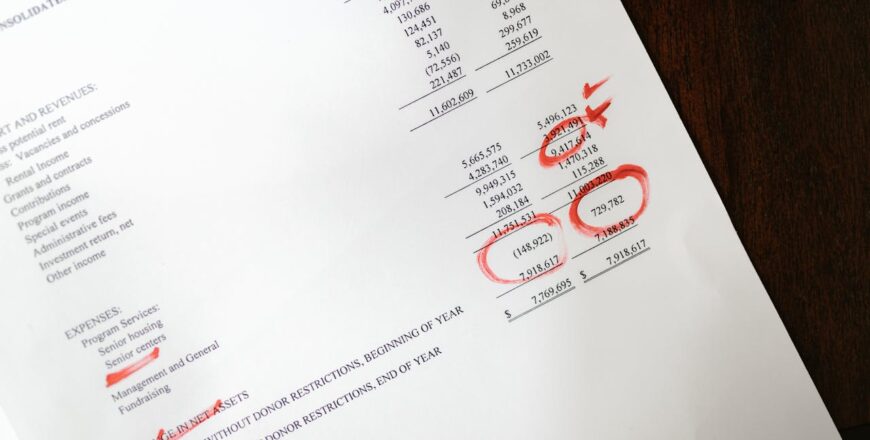
COURSE OVERVIEW: Financial Statement Analysis is the study of the measurement and evaluation of business performance and business risk through the interpretation of financial reporting information. It examines both strategic and operational perspectives of an organization by analyzing the major financial statements and the meaning of the numbers presented within them. Through structured financial analysis, organizations are able to assess performance, evaluate risk, and support informed decision-making. This course develops a critical understanding of financial reporting techniques and the application of key financial principles to measure business success and promote value creation. Students will learn how to interpret accounting information, form and analyze financial ratios, and evaluate both short-term and long-term liquidity positions. Emphasis is placed on understanding how financial statements reflect operational realities and how they can be used to identify strengths, weaknesses, risks, and opportunities. The method for accomplishing this includes detailed examination of the income statement, balance sheet, and cash flow statement; calculation and interpretation of financial ratios; application of quantitative and qualitative analytical models; and evaluation of business performance through case studies and practical exercises. Students will also explore the limitations of financial statements and develop professional skills in problem solving, communication, and decision-making. Among the topics included in this course are: the framework for financial statements, purpose and structure of accounting reports, interpretation of accounting data, users of financial information, liquidity and solvency analysis, profitability and efficiency ratios, risk assessment, corporate failure prediction models, and value creation analysis. LEARNING OUTCOMES: Upon completion of this course learners will be able to: - Explain the framework, purpose, underlying concepts, and format of financial statements. - Interpret accounting information to evaluate business performance and financial health. - Identify and analyze the needs of various users of financial information and understand the limitations of financial statements. - Calculate and interpret key financial ratios related to liquidity, profitability, efficiency, and solvency. - Apply quantitative and qualitative models in assessing corporate performance and potential failure. - Evaluate short-term and long-term liquidity requirements of an organization. - Use financial analysis techniques to support strategic and operational decision-making. - Communicate financial findings clearly in both written and verbal formats.

This course is intended as an introduction to understanding blueprints and being able to visualize and understand the intent of the designer as presented in a blueprint. The first step in providing quality of a product is interpreting the drawing correctly and applying the given information to the final product. This course is a guide to interpreting drawings commonly found in Engineering. It provides information for blueprint reading beginning with the background of blueprints, looking at the types of lines used on a drawing, and how parts are shown in different views. At the end of this course students will be able to: - Visualize three-dimensional objects while viewing two-dimensional drawings - Interpret the following engineering drawing applications: Line conventions; Standard drawing symbols; Section views; Screw thread representation; Dimensioning; Tolerancing; Machining specifications; Surface texture; Title block and parts list; Drawing notes; Drawing revision systems

Graphic Design: This is an introductory graphic design course. It is targeted towards anyone with an interest in graphics or who may be looking for a formal certificate. This course will provide the skills and experience necessary to make use of different graphic design programs, which can give an edge in today's competitive job market. The Graphic Design course covers many key areas and programs such as: Adobe Photoshop, Adobe Illustrator, Object drawing, Object manipulation, Design principles, Packaging, Printing. LEARNING OUTCOMES: - identify the basics aspects of computer-aided design - apply basic design principles - use fundamental tools and features in Adobe Illustrator - use fundamental tools and features in Adobe Photoshop - execute graphic design assignments independently - Develop critiquing skills and sensibilities about design elements - set-up and export files for print and digital use - Develop recommended professional etiquette and practices Minimum System Requirements: CPU: Intel or AMD processor with 64-bit support, 2 GHz or faster; RAM: 4 GB; HDD: 3.1 GB of storage space; GPU: NVIDIA GeForce GTX 1050 or equivalent; OS: 64-bit Windows 7 SP1; Screen Resolution: 1280 x 800; Network: Broadband Internet Connection. Recommended System Requirements: CPU: Intel or AMD processor with 64-bit support, 2 GHz or faster; RAM: 8 GB; HDD: 10 GB of storage space; GPU: NVIDIA GeForce GTX 1660 / NVIDIA Quadro T1000; OS: 64-bit Windows 10, October 2018 update, version 1809 or later; Screen Resolution: 720p; Network: Broadband Internet Connection.

Human Resource Management Certificate This course will provide a foundational understanding of Human Resource Management (HRM) and its importance within an organization. We live in a world characterized by rapid change, globalization, and diversity. HRM will offer insights into the importance of the key functional HRM areas to organizational success. It will also provide guidance for potential HR professionals and managers to create an ethical and healthy work climate. Aims of the course This course offers an introduction to the subject of HRM by explaining what the role entails as well as theories that can be applied in order to improve the overall operations of the organization. The aims are: - To devise, implement and monitor policies which satisfy both the financial and psychological needs of employees by motivating and committing them towards achievement of the organization's goals. - To balance the needs of the organization with those of the employees. - To match the skills of the workforce with the ever-changing requirements of the organization. - To maximize the skills of individual employees. SOME LEARNING OUTCOMES ARE: - Identify, describe and explain the importance of the key functions of human Resource Management. - Explain the strategic and administrative roles that the Human Resource function plays in an organisation. - Describe the current and future challenges facing Human Resource practitioners. - Outline the policies and explain the theories and strategies, used by HR practitioners, to address contemporary HR issues. - Analyse current HR practices in the context of these policies, theories and strategies

The course aims to introduce the students the function and role of process measurement and instrumentation in an industrial processes and manufacturing environment. At the end of this course students will be able to: - Understand the difference between Open-loop and closed-loop control systems - Describe Typical processes that measure pressure temperature, flow, and level. - Identify Sensing devices their uses in measuring pressure, level, flow and temperature. - Understand the function of Transmitters, receiving devices, controllers, valves and other process instruments - The basics of pressure measurement devices. - Identify the types of meters Manometers, bourdon tubes, diaphragms, capsules, bellows, and strain gauges. Principles of Level Measurement - Level measurements differentiate between low-pressure and high-pressure level measuring methods - Uses of capacitance, displacer, and reluctance probes in measurement and instrumentation. - Methods of level measurement such as infrared, radioactive, and ultrasonic systems will be discussed. Principles of Temperature Measurement - Thermocouples, RTDs, thermistors.

Labour Management (Industrial Relations) This course provides a strong framework of knowledge to help participants gain a clear understanding of the relationship between management and labor organisations and aims to equip participants with a clear perspective of industrial relations and collective bargaining. Participants would be briefed on the various Labour Laws of Trinidad and Tobago and the various processes to settle unresolved disputes and other matters which arise between employers and trade unions. Participants would gain knowledge not just related to the evolution of labor-management relations, but also about why maintaining a resilient, productive working bond between labor and management is mutually advantageous to all parties. LEARNING OUTCOMES: Upon completion of this course students will be able to: - Discuss various acts and agencies related to the relationship between labour and management - Classify unfair labour practices as initiated by an employer or a labour organization - Discuss the collective bargaining process, including negotiations, outcomes, and memorandums of understanding - Discuss the labour laws of Trinidad and Tobago: Industrial Relations Act; The Industrial Relations (Amendment) Bill, 2015; Maternity Protection Act; Minimum Wages Act; Occupational Safety and Health Act; Retrenchment and Severance Benefits Act - Describe how labour relations units, supervisors, and union representatives administer a collective bargaining agreement - Explain how a grievance is generated and processed - Compare performance-related, conduct-related, unfair labour practice, and miscellaneous grievances - Describe various alternative dispute resolution techniques and the appeals process
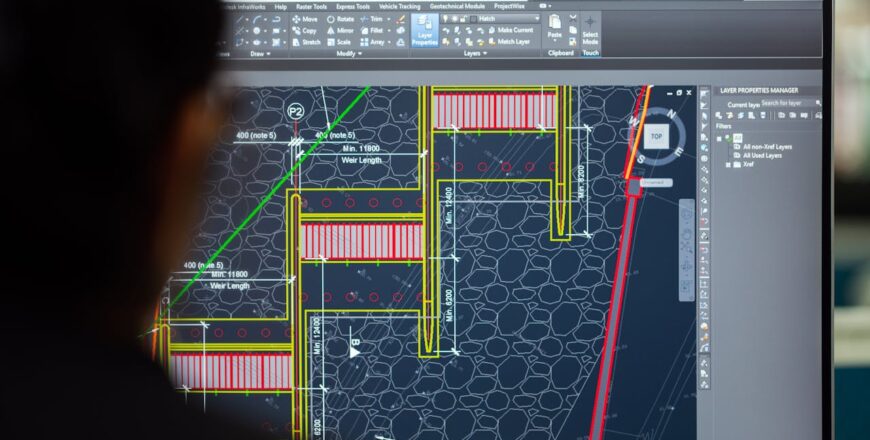
COURSE OVERVIEW: Introduction to Architectural Design is the study of the fundamental principles, processes, and visual language used in the creation of the built environment. It explores how architects conceptualize and shape space, form, and function while responding to human needs, environmental conditions, and cultural context. Architecture combines creative design thinking with technical understanding to produce spaces that are functional, meaningful, and sustainable. This course introduces learners to the core ideas and methods of architectural design, providing a foundation for understanding how buildings and spaces are conceived and developed. As learners engage in this course, they will develop design awareness, creative thinking, and visual communication skills essential to architectural practice. Emphasis is placed on understanding spatial organization, basic design principles, and the role of sustainability in contemporary design. The method for accomplishing this includes online lectures, visual case studies, and applied design exercises that encourage exploration and experimentation. Learners will be introduced to basic drawing and representation techniques, conceptual design methods, and analytical approaches to understanding space and user needs. This course establishes a foundation for further studies in architecture, construction, interior design, and other disciplines within the built environment. Among the topics included in this course are: the role of architecture and the design process, architectural terminology, form and space, scale and proportion, spatial organization, basic drawing and diagramming techniques, interpretation of architectural drawings, functional and user-based design, site and climate considerations, and introductory environmental and sustainable design concepts. LEARNING OUTCOMES: Upon completion of this course learners will be able to: - Describe key architectural concepts, terminology, and the architectural design process. - Explain the role of architecture within social, cultural, and environmental contexts. - Apply basic design principles such as form, space, balance, scale, and proportion. - Interpret and produce simple architectural drawings, diagrams, and visual representations. - Analyze relationships between function, users, and spatial organization in basic design problems. - Evaluate the influence of site conditions, climate, and sustainability on architectural design. - Communicate conceptual design ideas clearly using appropriate visual and written methods.

Course Overview This course is designed to provide a foundational understanding of bookkeeping using a practical approach. Participants will practice basic bookkeeping and foundational accounting skills which are applicable to the accounting environment. Learning Outcomes: Upon completion of this course, you will be able to: - Identify the key roles of the bookkeeper in the organization - Understand the relationship between all elements in the accounting cycle - Identify the process of recording financial data into the books of original entry - Identify the steps of transferring financial data from the books of original entry into the relevant ledgers using the double entry system - Prepare all ledgers for close and the extraction of a Trial Balance - Understand the use of control systems including bank reconciliations as a measure of ensuring accuracy - Process the flow of transactions from the first point of original entry all the way through to the Financial Statements

This course is designed to introduce students to the dynamic and diverse world of LSCM so that they may develop a solid understanding of integral concepts such as Competitive Strategy and Customer value; Matching Supply and Demand, Strategic Lead Time Management; Managing Risk, and Managing the Global Pipeline.

COURSE OVERVIEW: Introduction to Special Needs Education is a foundational certificate course designed to provide participants with a comprehensive understanding of inclusive education and the diverse needs of learners with disabilities. The course explores key concepts in special education, focusing on the identification of common developmental, behavioural, and learning challenges, as well as practical strategies to support meaningful participation in educational settings. This course is ideal for educators, teaching assistants, caregivers, parents, and individuals beginning their journey in supporting learners with diverse needs. It establishes both theoretical understanding and practical application, equipping participants with the knowledge and tools necessary to foster inclusive, supportive, and empowering learning environments. Participants will gain insight into the characteristics and educational implications of common disabilities, while developing practical skills in assessment, intervention planning, and behavioural support. Emphasis is placed on inclusive teaching strategies, collaboration with families and professionals, and advocacy for equitable educational opportunities. The method for accomplishing this includes guided exploration of developmental and learning differences; examination of inclusive education principles; introduction to assessment and intervention techniques; development of simple Individualised Education Plans (IEPs); and application of behavioural support strategies. Case examples and practical exercises are used to build confidence and competence in real-world settings. Among the topics included in this course are: understanding the foundations of special education; characteristics of Dyslexia, Autism Spectrum Disorder, Cerebral Palsy, Down Syndrome, ADD/ADHD, and Childhood Onset Bipolar Disorder; supporting motor skills development; use of assistive technology; behaviour management strategies; inclusive classroom adaptations; and collaborative approaches in supporting learners with special needs. LEARNING OUTCOMES: Upon completion of this course learners will be able to: - Recognise and describe common disabilities encountered in educational settings, including Dyslexia, Autism, Cerebral Palsy, Down Syndrome, ADD/ADHD, and Childhood Onset Bipolar Disorder. - Identify early signs and characteristics of diverse learning and developmental needs. - Apply basic assessment and intervention techniques appropriate for introductory-level support. - Design simple Individualised Education Plans (IEPs) and behaviour intervention strategies tailored to individual learners. - Support motor skills development and incorporate appropriate assistive technologies to enhance learning. - Implement inclusive teaching practices in classroom and home environments. - Promote positive behavioural support and inclusive classroom management techniques. - Advocate effectively for learners with special needs and collaborate with parents, caregivers, and multidisciplinary professionals. - Communicate observations and support strategies clearly and professionally.

Course Overview Successful inventory management involves more than knowing what products are in stock and in what quantities. Inventory managers must also know what to stock, how to position and present each product, and how to replenish inventory. Forecasting product trends and understanding current inventory management technology are also important. At the end of this course students will be able to: - Define Inventory Concepts. - Explain Ordering and Costs involved. - Determine and forecast demand for Inventory. - Understand Inventory planning - Discuss Stores / Warehousing locations and Layout. - Explain Standardization, Rationalization and Variety Reduction. - Understand how Stock Checking in done for records and accounts purposes. - Explain equipment handling and management in Inventory Management. - Appreciate Computer application in Inventory Management.

Junior Accountancy London International College (LIC) Advanced Certificate 3-MODULES COVERED - Must successfully pass all courses: - Practical Accounting - Practical BookKeeping - Computerized Accounting (PeachTree/Sage 50) Custom Payment Plans Available. DURATION: 3 Months. The aim of this program is: - To understand all aspects of Accounting at a given workplace theoretically and practically. - To gain experience by actually performing Accounting tasks in a live system. - To be able to communicate effectively in the workplace. - To appreciate all aspects of Computers in an Accounting environment. 1. Practical Accounting - Learning Outcomes: Understand the purpose of accounting and its processes; Identify what the books of prime entries are and how to apply with relevance; Know the principles of accounting and its key concepts, namely the law of double entry; Record accounting entries and understand how to close and balance off accounts; Account for year-end adjustments such as depreciation, accruals, prepayments and provision for bad and doubtful debts; Understand the purpose and uses of the Trial Balance, and how it is derived; Prepare financial statements and other key accounting reports such as control accounts and bank reconciliations; Interpret financial statements and perform analytical commentary on the financial results; Understand the basic concepts of payroll and taxation relevant to T&T. 2. Computerized Accounting (Sage 50/Peach-Tree) - Learning Outcomes: Identify, describe, and explain the importance of the key functions of Computerized Accounting; Setup a company using the computer software Sage 50; Establish default information for Customers, Vendors, and Inventory; Add new Customers, Vendors, and Inventory; Enter beginning balances; Enter Quotes, Sales Orders and Sales Invoices; Record Receipts, Prepayments and Customer refunds; Enter Purchase Orders; Receive Inventory and Enter Bills; Record Payments, Prepayments and Vendor refunds; Run Accounts Receivable, Payable and Inventory Reports; Maintain company data by backing up, restoring and setup security. 3. Book-Keeping - Learning Outcomes: Identify the key roles of the bookkeeper in the organization; Understand the relationship between all elements in the accounting cycle; Identify the process of recording financial data into the books of original entry; Post financial data from the books of original entry into the relevant ledgers using the double entry; Balance and close all ledgers and extract a Trial Balance; Understand and use control systems including bank reconciliations; Prepare Financial Statements of an organization. Duration: 3 & 1/2 Months | Lectures: 8 | Quizzes: 1 | Level: Beginner

COURSE OVERVIEW This course is designed as an introduction to the core legal frameworks surrounding the most fundamental areas of law. Students will be given an expansive overview of the various theories and applications of law and will gain pronounced insight into the different concepts, terminology, processes and practices that arise from the application of law, both locally and internationally. This unit will provide the vital background for appreciating how the law governs every aspect of our lives through establishing standards, maintaining order, resolving disputes, and protecting liberties and rights. The intensive program will assist students to gain excellent analytical skills by encouraging them to think critically to readily comprehend a large volume of information and would be an ideal start to any potential law student. The aims of this unit are: - To develop students' knowledge and understanding of the different areas of law; - To provide students with knowledge and understanding of the application and functions of the laws of Trinidad and Tobago in relation to our daily lives. LEARNING OUTCOMES: Upon completion of this course students will be able to: - Identify and describe the different areas of law; - Develop a clear understanding of the functions of practice and procedures of the legal system of Trinidad and Tobago; - Demonstrate legal knowledge and understanding of the laws of Trinidad and Tobago as it relates to our daily and private, professional and business life; - Identify and describe the court systems of Trinidad and Tobago; - Identify and describe different methods of resolving legal problems; - Interpret situations which require legal input and contribute meaningfully to these situations.
Programme Overview The City & Guilds Level 2 Certificate in Engineering - Electrical & Electronic Technology is designed to provide students with a comprehensive understanding of electrical and electronic engineering principles, practices, and technologies. This program prepares students for entry-level roles in various sectors of the engineering industry, including manufacturing, construction, maintenance, and telecommunications. To achieve this Level 2 Certificate in Engineering - Electrical & Electronic Technology, learners must successfully complete 5 units with a total credit value of 35. Unit Breakdown: Unit 201 Working in engineering (Level 2, Credit value 7): underpinning basic skills and knowledge needed to function in engineering or manufacturing sectors; safe working practices, the environment, teamwork, communication. Outcomes: Know engineering health and safety requirements; Know effective methods of communication; Understand drawings and specifications; Know about working in engineering. Unit 202 Principles of engineering technology (Level 2, Credit value 7): basic principles of mathematics and science, materials technology, applied engineering calculations and materials selection. Outcomes: Know requirements for materials in engineering; Know properties of engineering materials; Apply analytical methods to engineering mathematical applications; Apply analytical methods to engineering science applications. Unit 211 Maintaining electrical wiring support systems (Level 2, Credit value 7): installation/maintenance of electric wiring support systems including conduit, trunking and traywork systems. Outcomes: Plan and prepare for electrical wiring support systems; Install and repair electrical support systems; Commission the system. Unit 221 Principles of electrical and electronics technology (Level 2, Credit value 7): Electrical and Electronic Technology required for working with lighting, heating and power circuits. Outcomes: Know the basic units used in electrotechnology; Know the application of electrotechnology; Identify the characteristics of an electrical circuit. Unit 222 Maintaining electrical equipment and systems (Level 2, Credit value 7): maintenance of electrical engineering equipment up to 400v. Outcomes: Prepare for maintaining electrical systems/equipment; Carry out the maintenance of electrical systems/equipment. Awarding body: City & Guilds. Duration: 6 Months (2 Academic Semesters)
COURSE OVERVIEW: The Medical Administrative Specialist programme is designed to prepare learners for professional administrative roles within medical and healthcare environments such as clinics, hospitals, medical offices, and allied health facilities. Medical Administrative Specialists play a vital role in supporting healthcare delivery by ensuring that administrative, records management, billing, and patient coordination functions are carried out efficiently, ethically, and in compliance with healthcare regulations. The Certificate in Medical Administrative Specialist provides a comprehensive foundation in medical terminology, anatomy and basic clinical concepts, health records management, insurance processing, billing and coding, office administration, and the use of medical office technology. The course also emphasizes professionalism, legal and ethical responsibilities, patient confidentiality, and effective communication within healthcare settings. Throughout the course, learners will develop the practical, technical, and professional skills required to manage patient interactions, maintain accurate medical records, process insurance claims, and support daily medical office operations. Among the topics included in this course are: medical terminology and anatomy, healthcare laws and ethics, patient reception and communication, appointment scheduling, medical records management (paper-based and electronic), insurance billing and coding systems, financial and payroll procedures, electronic health record (EHR) systems, medical office software, infection control, and medical office management functions. LEARNING OUTCOMES: Upon successful completion of this course learners will be able to: - Use and define medical terminology, anatomical structures, and common disorders accurately within a healthcare administrative setting. - Apply legal, ethical, and professional standards in medical office operations, including compliance with HIPAA, AMA principles, and patient confidentiality requirements. - Manage patient interactions, appointments, reception duties, and professional communication effectively. - Collect, document, and chart patient information using both paper-based and electronic health record systems. - Maintain accurate, secure, and compliant medical records in accordance with healthcare regulations and organizational policies. - Demonstrate knowledge of infection control procedures, vital signs awareness, and basic emergency response protocols. - Process healthcare insurance claims, medical coding (CPT, ICD, HCPCS), billing, and reimbursement procedures accurately. - Perform basic financial, payroll, banking, and administrative tasks relevant to medical office operations. - Utilize medical office software, electronic health record (EHR) systems, and electronic communication tools securely and efficiently. - Assist with medical office management functions, including human resources support, workplace safety, and quality assurance activities.

COURSE OVERVIEW This course will equip participants with the basic understanding of the roles and responsibilities of the Medical Laboratory Assistant (MLA) within a medical laboratory. It will identify the importance of the MLA within the organisation as it relates to proper handling, transporting and collection of various samples, laboratory safety and a working knowledge of the various areas of a medical laboratory. Participants will gain practical experience through lab exercises will assist in solidifying a participant's competencies as an MLA through a combination of theory and practicum. - ONLINE THEORY AND IN-CLASS PRACTICALS - NO INTEREST, PAYMENT PLANS - PAY WEEKLY OR MONTHLY CERTIFICATION: AMT (US) - www.americanmedtech.org AMT QUALIFICATIONS ARE ACCEPTED BY PRIVATE AND GOVERNMENT HEALTH ORGANISATIONS IN TRINIDAD & TOBAGO LEARNING OUTCOMES Upon successful completion of the course, participants should be able to: - Understand the importance and perform the role of an MLA within a healthcare organization in improving healthcare services - Demonstrate understanding of concepts used in the medical laboratory - Demonstrate the ability to work well with other medical professionals - Demonstrate good communication skills with patients and other medical professionals. - Apply knowledge gained in contributing to the organization objectives and goals - Perform the correct procedures and techniques in all areas of the laboratory. - Identify key features of anatomy and physiology. - Competently perform skills associated with blood collection techniques including collection protocols for other "non-blood" samples such as Urines, Stools, Sputum and Semen. - Practice principles of laboratory safety and infection control. - Demonstrate use and care of laboratory equipment. - Correctly use medical terminology related to the laboratory. - Demonstrate the ability to make sound ethical decisions.

Medical Multi-Skilled Technician Programme: Course Overview This comprehensive programme equips you with the essential skills and knowledge to excel as a Medical Multi-Skilled Technician (MST). Through a blend of theoretical learning and practical training, you'll gain expertise in various healthcare settings, including hospitals, clinics, and laboratories. You gain knowledge of: 1. The Medical Laboratory Assistant (MLA) 2. The EKG Technician 3. The Phlebotomy Technician 4. Medical Administration 5. Anatomy & Physiology At the end of the programme students would have gained the knowledge required to undertake the Certification Examinations for AMT and AMCA and be Certified in these areas. Upon successful completion of this programme, you will be able to: - Demonstrate a thorough understanding of medical terminology and basic anatomy and physiology. - Perform essential administrative tasks in a healthcare setting with accuracy and efficiency. - Collect and handle various specimens safely and correctly, adhering to best practices. - Assist with and perform basic diagnostic procedures, ensuring patient comfort and safety. - Contribute effectively to the healthcare team, promoting quality patient care. This programme is ideal for individuals seeking a rewarding career in healthcare with diverse opportunities for growth and specialization. Certification: AMT and AMCA.

Course Overview: This course introduces students to the networking field. Upon completion, students should be able to perform tasks related to basic network design, planning and configuration, network troubleshooting using the OSI model, network security, subnetting and documentation. Learning Outcomes: Upon successful completion of this course, students will be able to: - Explain key networking concepts using proper terminology. - Perform Binary Math Operations for IP Addresses and Subnetting - Identify advantages and disadvantages of existing network configurations and recommend solutions. - Recognize and mitigate security threats for a SOHO network. - Verify and troubleshoot network and Internet connectivity. - Design and Implement a Small Office / Home Office (SOHO) network.

COURSE OVERVIEW This course introduces students to the study of workplace occupational health and safety. It highlights and teaches the importance of implementing safe work practices in the workplace and by extension in the home. Students will learn to identify hazards and prevent accidents and incidents by applying risk control measures. AIMS OF THE COURSE To provide students with: - An introduction to safety and health - An understanding of the requirements of Safety & Health Law and Regulations - The fundamentals for the development of a safety and health policy - The ability to identify workplace hazards and measures for controlling the risk level - An understanding of the risk assessment methodology - An introduction to Safe Systems of Work - An introduction to the basics of Accident Reporting and Investigations LEARNING OUTCOMES: Upon successful completion of this course, the student will have demonstrated the ability to: - Define safety and health terms and standards - Demonstrate a working knowledge of the Safety & Health Law and Regulations as it pertains to the workplace - Draft a safety & health policy including the three (3) main elements - Evaluate a workspace and identify the hazards and select appropriate control measures based on the hierarchy of controls - Apply the basic principles of a risk assessment - Identify the types of safe systems of work and their applications - Demonstrate knowledge of reporting requirements and accident causation factors

Course Overview Office administrative responsibilities deal with overseeing the daily functions of various inter-disciplinary departments to have operations flow smoothly and reduce the workload from higher-level managers. They perform as a connecting linkage between departments and between the employees and the management. Office Administrators are also required to be the face of the company and be on the front lines of customer relations. At the end of this course students will be able to: - Understand the role of Office Administrators in an organization - Understand the techniques of Planning, Organizing and Controlling - Learn the techniques to manage records and documentations - Learn how to control emotions during stressful situations - Enhance your multi-tasking Skills - Implement verbal and written communication approaches - Coordinate and organize meetings effectively - Manage telephone calls efficiently and professionally - Learn to make quick decisions and resolve office-related matters - Develop relationships throughout the organizational structure - Develop a customer-centric and service attitude and mindset - Learn the main causes of stress and apply the practices to control it - Manage time efficiently and be able to think proactively

Course Overview - Patient Care Technician Our comprehensive Patient Care Technician (PCT) course is designed to prepare students to become skilled professionals in the healthcare field. This program is ideal for individuals passionate about patient care and interested in working closely with registered nurses and doctors. Through this course, students will gain the necessary qualities, knowledge, and skills to provide exceptional basic care in various patient care settings. Key Learning Objectives: - Basic Nursing and Home Health Care: Learn the fundamentals of nursing care, focusing on the needs of patients at home and in healthcare facilities. - Personal and Physical Care: Acquire skills in assisting patients with daily activities and physical care, ensuring comfort and promoting health. - Diagnostic Testing: Gain proficiency in critical diagnostic areas such as electrocardiography (EKG) and phlebotomy, essential for monitoring and managing patient health. - Post-Operative and Geriatric Care: Develop specialized skills to care for post-surgical patients and meet the unique needs of the elderly population. - Safety and Environmental Issues: Understand the importance of maintaining a safe and clean environment to prevent infections and ensure the well-being of patients and healthcare providers. - Legal and Ethical Issues in Nursing: Learn about the ethical considerations and legal aspects that govern patient care. Program Details: - Duration: 20 Sessions - Format: Online live lectures and hands on practical sessions. - Certification: Upon completion, graduates will be prepared to take the AMCA Patient Care Technician certification exam to become a Certified Patient Care Technician. Career Opportunities: hospitals, long-term care facilities, rehabilitation centers, and home health care settings.

Course Overview There are many aspects that need to be covered when running a successful business. One of the most important aspects in any business is of course, payroll management. While managing the payroll may seem easy enough, it is a complicated process involving finance and record keeping. Effective Payroll management provides you with the information and guidance to become a key member of the payroll management team. At the end of this course students will be able to: - Calculate regular individual net pay including allowances, expenses, and benefits - Calculate non-regular individual net pay including bonus and vacation payments - Calculate termination payments - Calculate commission payments - Complete a Record of Employment - Communicate all aspects of individual pay requirements to various stakeholders

COURSE OVERVIEW This course will provide a foundational understanding of Computerized Accounting and its importance within an organization. It will examine some of the basic and most common operations of the Peachtree Accounting software. This is not an accounting course though some accounting knowledge will enhance your learning experience. AIMS OF THE COURSE This course takes you through the fundamentals of setting up and customizing a Peachtree company database. It offers an introduction to the subject of Accounting by explaining what the role entails as well as theories and practical approach that can be applied in order to improve the overall operations of the organization and accounting system. The aims are: - To record business transactions using an accounting software. - To be able to retrieve reports on hand at any in time. LEARNING OUTCOMES: - Identify, describe and explain the importance of the key functions of Computerized Accounting. - How to set up a company using the computer software Sage 50. - How information can be easily retrieved from the use of this software. - Identify the different type of report that can be created at any point during an accounting period. - Setup a company and input all relevant data including customers, vendors, chart of accounts - Setup user administrative privileges. PEACHTREE/SAGE 50: NO INTEREST PAYMENT PLANS; NO REQUIREMENTS TO JOIN. Enroll in our Peachtree/Sage 50 Course today! Companies today are increasingly moving away from the old practice of using book and manually drawing up accounts and making the change to computerized accounting systems. Our Peachtree Accounting course is designed to assist students in understanding how to record and classify accounting data within a computerized accounting system.
About Practical Accounting: The course is a comprehensive practical accounting training program designed to build the bridge between knowledge and practical aspects of accounting. It will provide a foundational understanding of Accounting and its importance within an organization and introduce participants to basic accounting skills which are applicable in a working accounting environment. AIMS - Enable learners to understand the purpose of accounting, the associated processes, and its role in the managing of a business. - Help learners to develop the skills and knowledge needed to understand financial information. - Introduce techniques of assessment and analysis of financial information of a business for decision making. LEARNING OUTCOMES: Upon completion of this course students will be able to: - Understand the basic aspects and principles related to accounting. - Record Business Transactions. - Understand and calculate end of year adjustments. - Understand Test and control systems. - Prepare and analyze simple financial statements. - Understand Local Taxation

AIM This course aims to give students an introduction to auditing and help them to understand the need and importance of auditing, the planning of auditing and the auditing procedures for particular components of Financial Statements. COURSE OVERVIEW This course is an introductory course to auditing. The primary goal of the Auditing course is to help students understand and apply the basics of auditing processes, planning, and execution. This course develops an understanding and appreciation of the philosophy of the auditing process and provides students with the skills necessary for effective decision making in regard to auditing, financial reporting, and ethics. Topics include the fundamentals of auditing, planning and risk assessment, professional and corporate ethics, internal control and financial reporting, substantive procedures, and audit reporting. LEARNING OUTCOMES: Upon completion of this course students will be able to: - Understand the Fundamentals of Auditing - Understand the Audit Process and Audit Materiality - Understand Audit Evidence - Understand and Apply Audit assertions - Develop an awareness of Fraud - Apply auditing procedures Financial Statements - Cash, Account Receivable, Accounts Payable, Property, Plant and Equipment. - Understand Professional and Corporate ethics as it relates to auditors and accountants.

Aim: To equip learners with the knowledge and skills needed to use and apply management accounting and cost accounting techniques within an organisation. COURSE OVERVIEW: This course examines the concepts and procedures underlying the development of a cost accounting system for decision making, control, and performance reporting. Topics include Classification of costs, cost accounting techniques; valuation of stock, absorption costing, marginal costing, and activity based costing, lifecycle costing, job and batch costing, standard costing, budgetary planning and control systems, cash budgets, ratio analysis and financial performance indicators. LEARNING OUTCOMES: Upon completion of this course students will be able to: - Identify and calculate different types of costs (direct, indirect, variable, and fixed costs). - Prepare inventory control procedures and apply different stock valuation techniques. - Distinguish between various costing systems. - Apply costing methods to determine performance evaluation. - Plan and prepare cash budgets - Calculate financial performance measures - Ratio Analysis.

COURSE OVERVIEW: This course is intended to provide you with a working knowledge and foundation of Project Management, its processes and how the field of study can positively impact life personally and professionally. LEARNING OUTCOMES: Upon completion of this course students will be able to: - Identify and comment on the roles and functions a Project Manager. - Identify Projects based upon set criteria. - Project planning. - How to estimate project activities. - How to create schedules for chosen projects. - Balance the constrains of projects (Scope, Time, Quality & Cost) - Proper use of the project process groups. - Identify project Risk

Course Overview This course introduces you to the role of public relations across a range of sectors in a global media environment. You will explore notions of public opinion and examine tactics and strategies deployed by practitioners to influence the public sector. Case studies will be used to develop a critical understanding of PR practices, gaining insights into how the ethical practice of public relations contributes to the sustainability of organisations and communities and how they can better address the needs of all stakeholders. At the end of this course students will be able to: - Understand the essence of PR as a practical discipline within the organization - Understand how public relations theories are developed and practiced in different countries. - Be aware of different types of stakeholders involved in private and public organizations that use public relations strategies. - Understand, recognize, and examine the phenomenon of media transparency and its application for the public relations profession and practice in a global world. - Identify, analyse, and discuss actual case studies and/or strategic communication and PR campaigns. - Examine how multiculturalism and diversity impact global public relations theory and practice

This course will enable students to grasp an in-depth concept of purchasing and procurement. Through multiple learning styles, the course will aim for maximum reach to the audience which will enable them to enhance organizational production. This course is designed for starters or professionals who have some procurement or purchasing functions within their role. Utilizing a holistic approach, comprised of select topics such as defining the supply chain, stages within the procurement process, negotiations and matching supply with demand, this programme is geared towards a solid foundation for the next step in your future studies or career in supply chain management. This programme provides an introduction to purchasing and procurement.

Course Overview The course has two major goals: 1. Heighten awareness of and sensitivity to the social and cultural constituencies of local real estate markets. Participants will learn about the people who make up the local market, their values, customs, real estate needs and expectations of real estate professionals. 2. Provide practical skills and to increase the professional's effectiveness in servicing the real estate market. Specifically, the course helps participants develop skills in professional communication and strategic business planning. The aim of this course is to help participants: - Understand the fundamentals of real estate. - Identify personal objectives and review potential strategies to create business plans that include diversity. - Develop professional and sensitive guidelines for working with people in the real estate industry. - Analyze demographic to understand the impact of current trends on the real estate industry. - Modify marketing and selling strategies to attract and service clients. - Build and expand understanding of the real estate industry. - Communicate effectively and provide professional service to clients in the multi-cultural local market. This Programme provides an introduction to the real estate sector, its characteristics, the players, structure, general terminology and overall needs of Real Estate. It provides the perfect starting point for anyone supporting or interested in moving into the sector with the knowledge and tools to communicate effectively with real estate professionals.

COURSE OVERVIEW: Refrigeration Repairs is a technical field concerned with the operation, maintenance, and repair of refrigeration systems used in domestic and light commercial applications. These systems function by removing heat from an enclosed space through a controlled refrigeration cycle, allowing food, medicine, and other temperature-sensitive items to be preserved safely and efficiently. The Certificate in Refrigeration Repairs provides learners with a foundational understanding of refrigeration principles, system components, and basic repair practices. Delivered fully online, the course focuses on how refrigeration systems operate, the tools and safety procedures required for servicing, and the identification and diagnosis of common faults. Emphasis is placed on understanding system functionality, applying safe working practices, and using logical troubleshooting techniques to address common refrigeration problems. As learners progress through the course, they will develop knowledge of the refrigeration cycle, major system components, and the interaction between electrical and mechanical elements within a system. The course also introduces routine maintenance procedures designed to improve system efficiency, reliability, and service life. This programme is ideal for individuals seeking entry-level knowledge in refrigeration repairs or those wishing to enhance their understanding of domestic and light commercial refrigeration systems. Among the topics included in this course are: basic refrigeration principles, refrigeration system operation, component identification, tools and equipment used in refrigeration repairs, safety practices, common system faults, troubleshooting techniques, basic electrical and mechanical faults, and routine maintenance procedures. LEARNING OUTCOMES: Upon completion of this course students will be able to: - Explain the basic principles of refrigeration and describe how refrigeration systems operate. - Identify major refrigeration system components and explain their functions within the refrigeration cycle. - Apply appropriate safety procedures and demonstrate proper use of tools and equipment used in refrigeration repairs. - Diagnose common domestic and light commercial refrigeration faults using logical and systematic troubleshooting methods. - Explain basic electrical and mechanical faults commonly found in refrigeration systems. - Describe routine maintenance practices that improve refrigeration system efficiency, performance, and lifespan.

Course Overview Welcome to the Registered Dental Assistant Course, an immersive training program designed for individuals seeking a rewarding career in the dental field. This comprehensive course offers in-depth knowledge and hands-on experience to prepare you for a vital role within a dental office. What You Will Learn: - Fundamentals of Dental Assistance: Gain a strong foundation in the basics of dental health and the responsibilities of a dental assistant. - Four-Handed Dentistry: Master the art of efficient chairside assistance, improving the dentist's workflow and patient experience. - Radiology Skills: Develop the ability to perform and assist in dental X-rays with a focus on safety and accuracy. - Charting and Records Management: Learn the systematic approach to maintaining precise dental records and charting patient information. - Appointment Scheduling: Understand the dynamics of managing appointments to ensure smooth operation of the dental office. - Instrument Sterilization: Acquire critical skills in sterilizing and preparing instruments, a key component of infection control. Program Details: - Duration: 20 Sessions - Format: Online live lectures and hands on practical sessions. Career Opportunities: general dental practices, specialty clinics, and hospital dental services.

Course Overview Shorthand is completely phonetic and is based on curves and lines of varying lengths, written on lined paper. Shorthand is an efficient transcribing method that transfers audible content to written symbols. Shorthand skills have long been crucial to professional occupations, especially in the legal and medical fields where speed and accuracy are paramount to the dissemination of information. At the end of this course students will be able to: - Understand the basic rules of Pitman Shorthand in terms of line strokes/thickness and curves - Write short forms without hesitation - Transcribe phrases with ease - Transcribe from dictation passages read at 80 to 120 WPM.

COURSE OVERVIEW: Plumbing is the skilled trade concerned with the installation, maintenance, and repair of systems used for the distribution of potable water, the removal of wastewater, and the provision of heating and sanitation in residential, commercial, and industrial buildings. These systems rely on a combination of pipes, fittings, valves, fixtures, and appliances that work together to safely deliver water and remove waste in accordance with established standards and codes. This course provides a foundational introduction to the principles and practices of plumbing, preparing students for entry-level work in the plumbing industry and for informed participation in environments that depend on modern plumbing systems. Through a combination of theoretical instruction and practical activities, students will develop an understanding of plumbing tools, materials, symbols, and system components. Emphasis is placed on safety, correct identification of components, accurate measurement, and proper installation techniques. Students will engage in hands-on learning experiences that involve working with common plumbing materials such as PVC, CPVC, PEX, and copper, as well as installing basic fixtures, faucets, and water supply and drainage systems. The course also introduces students to water heating systems and simple septic systems, enabling them to understand how these systems operate and how their components interact. Among the topics included in this course are: plumbing safety practices, identification and use of plumbing tools, measurement techniques, plumbing symbols and abbreviations used in architectural drawings, pipe and fitting identification, valves and meters, water heating systems, fixture installation procedures, drainage and venting systems (DWV), and the basic operation of a septic system. LEARNING OUTCOMES: Upon completion of this course students will be able to: - Demonstrate general safety practices related to plumbing, including the use of proper procedures and Personal Protective Equipment (PPE). - Recognize and correctly name common tools used in the plumbing trade and describe their functions. - Accurately use a measuring tape to take measurements required for plumbing installations. - Identify plumbing symbols and abbreviations commonly used in architectural and plumbing drawings. - Identify various types of plumbing fixtures and describe their applications. - Recognize and properly name different types of pipes and fittings used in plumbing systems. - Identify and describe the function of common valves and meters used in water supply systems. - Describe how the controls and heating elements of water heating systems operate. - Explain and apply techniques for working with pipes and fittings made from PVC, CPVC, PEX, and copper. - Describe proper installation procedures for fixtures, faucets, water supply lines, and DWV connections for different fixtures and appliances. - Explain the basic operation of a simple septic system and identify its main components.

COURSE OVERVIEW: Electronic Engineering is the branch of science that deals with the study of the flow and control of electrons (electricity) in vacuum and matter. The flow of the electrons is controlled by utilizing various devices to resist, carry, select, steer, switch, store, manipulate and exploit the electron. These devices or components are called electronic devices and are used for rectification, generation, conversion, amplification and control of the electric current. This course is a foundation for entering careers and everyday participation in a culture grounded in electronics. As students engage in this course, they will learn the basic theories and principles that are fundamental to electronics through the development of practical and theoretical knowledge. The method for accomplishing this will include the application of the theory learnt in the course to build circuits in series and parallel on a breadboard and learning and applying practical skills such as soldering and reading a digital multimeter. Among the topics included in this course are: electrical and electronics safety, electrical component identification, introduction to voltage, current, resistance and schematic symbols, Ohm's law, Kirchhoff's laws, series and parallel circuits, measurement of key electronic parameters using a digital multimeter and bread-boarding. LEARNING OUTCOMES: Upon completion of this course students will be able to: - Understand basic atomic structure, components of the atom, their charges and how an electric current is developed as a result of these. - Identify the schematic symbols of several common electronic components and describe their functions; define terms used in electronics. - Name several electrical shock hazards, understand the practice of electrical safety via proper procedures and Personal Protective Equipment (PPE). - Discern between the various types of conductors and their conductivity; determine the size of conductor needed for an application. - Calculate voltage, current and resistance in series, parallel and series-parallel circuits. - Learn to use various electronics equipment including the digital multimeter, breadboard, soldering equipment. - Read and analyze electronic circuit diagrams. - Determine the expected resistance of a wire and estimate the change in resistance that occurs with changing wire characteristics. - Calculate the total capacitance of a circuit; calculate the time constant of a resistance-capacitance (RC) or resistance-inductors (RL) circuit; calculate the total inductance of a circuit. - Explain how inductors are constructed and describe how an inductor can regulate the flow of current in a DC circuit. - Describe how diodes and transistors work and how to determine if they're working properly; list uses for diodes and transistors in electronic systems.

COURSE OVERVIEW This course introduces participants to the fundamentals of electrical installation. Topics include electrical safety, electrical print reading, planning, layout and installation of electrical distribution equipment; lighting; overcurrent protection, conductors, branch circuits and conduits. Upon completion, students should be able to properly install conduits, wiring and electrical distribution equipment associated with residential electrical installations. Electrical Installation is a fundamental trade that involves the safe and correct installation of electrical wiring systems, conduits, and distribution equipment used in residential (domestic) buildings. These systems are designed to deliver electrical power efficiently and safely to lighting points, socket outlets, switches, and appliances in accordance with established electrical standards and safety regulations. This course provides a solid foundation for individuals seeking entry-level skills in residential electrical installation or for those wishing to develop a practical understanding of domestic electrical systems. Through a balance of theoretical instruction and hands-on practical activities, students will learn the principles, techniques, and safety practices required to carry out basic electrical installation tasks correctly and safely. Among the topics included in this course are: electrical safety practices, tools and materials used in electrical installations, types of wiring systems, conduit bending and installation techniques, electrical connections, wiring of lighting and socket outlet circuits, installation of basic electrical distribution equipment, and reading and interpreting electrical plans. LEARNING OUTCOMES: Upon completion of this course students will be able to: - Demonstrate safe working practices related to electrical installation, including the correct use of tools, equipment, and Personal Protective Equipment (PPE). - Identify and correctly name common tools, materials, and equipment used in residential electrical installations and describe their functions. - Install electrical conduits using proper measuring, cutting, bending, and fixing techniques. - Make safe and secure electrical connections in accordance with accepted installation practices. - Wire basic electrical circuits, including lighting circuits and socket outlets, used in domestic installations. - Install and connect basic electrical distribution equipment associated with residential electrical systems. - Read and interpret electrical plans and drawings used in domestic electrical installations. - Apply proper workmanship standards to ensure neat, safe, and reliable electrical installations.

Course Overview The course is intended to provide students with a broad, integrative introduction to the theory and functions of Supervisory Management. It treats with the concepts, principles, approaches and practices of Supervisory Management in the context of rapid changes and globalization. As future managers, this course will prepare students for managing in an organization bound by specific rules and regulations, policies and procedures, which ensure that its primary mandate, the attainment of organizational goals, becomes a reality. The concepts in this course challenge students to become more profound thinkers, able to objectively and critically assess situations, ask tough questions, solve problems, anticipate change and proactively implement solutions to meet challenges arising from a range of situations. Aims of The Course: - To explain the roles of supervisors in order to improve the overall operations of the organization. - To assist supervisors to find new and improved ways to respond to the changing domestic and global environment in order to maintain and increase performance. - To provide supervisors with an understanding of the analytical techniques and skills necessary to identify and implement strategies for successfully managing employees. - To challenge supervisors to become a more profound thinker, who is able to objectively and critically analyze situations, ask tough questions, solve problems and implement strategies. - To assist supervisors in identifying and managing the changing dynamics of the workplace, prioritize key organizational issues and develop strategies for an organization. - To strengthen the confidence and effectiveness of supervisors by engaging them in the use of critical skills and techniques. LEARNING OUTCOMES: Upon completion of this course students will be able to: - Explain the strategic and administrative roles that supervisors play in an organization. - Outline the policies and explain the theories and strategies, used by practitioners, to address contemporary employee issues. - Identify and comment on the roles, functions, and the required skills of supervisors. - Describe the different elements of change in an organization and how these should be managed. Discuss the critical interpersonal skills: Leadership, Motivation, Communication; and Team-building - required for effective management of resources. - Apply management theory and principles to contemporary organizational contexts and use management concepts, best practice and their own critical thinking skills to deal with business situations. - Identify the competencies needed to manage a business successfully.

COURSE OVERVIEW The course Schedule Application Techniques are based on MS Project 2016 and is designed to impart basic knowledge of the MS Project application up to the level of optimizing, base lining, reporting, and possibly updating and EMV techniques in the context of dynamic scheduling supported by practical exercises in the computer lab. Access to tutorials and the program are given and basic schedules will be created. The progress depends heavily on the time invested by students outside of class as well as the level of course prerequisites. MicroSoft Visio is used to create simple or complicated diagrams. It offers a wide variety of built-in shapes, objects, and stencils to work with and gives you the option to create your own shapes. REQUIREMENTS: Upon entering the course students should understand the Fundamentals of Project Management according to PMBOK and have good knowledge of MS OS, Office Suite and handling the MS Interface. AIMS OF THE COURSE Students will be able to create MS Project files, develop schedules with the pertinent project information, maintain the same and report to other stakeholders. Students will also be able to create Organisational and Flow Charts, MS Project files, develop schedules with the pertinent project information, maintain the same and report to other stakeholders in an efficient and effective manner. The emphasis is hereby on using the dynamic approach while exercising continuous controls to ensure required accuracy, as well as the sharing of experiences and tips. LEARNING OUTCOMES: The student will be able to comfortably work with MS Project 2016 within the framework of the Project Management discipline and develop, maintain, optimize and control simple project schedule documentation and communicate the information to the relevant stakeholders at required times or on demand. The student will be able to analyze simple project files for completeness and errors, give historical and real time information as well as simple forecasts. The course allows the student to self-manage further progress and compile simple and complex Flow and Organizational Charts to submit to co-workers, superiors and subordinates alike.

Course Overview The course is designed to help learners understand the foundational techniques and technologies that utilized in creating webpages and websites. As a beginner course, it will be focused on the client-side technologies HTML5, Cascading Style Sheets (CSS) and Javascript. The course will introduce server-side technologies in a limited manner, to ensure that learners are exposed to the complete basic development process. LEARNING OUTCOMES: Upon completion of this course students will be able to: - Understand how to properly use HTML5 to mark-up web pages - Understand how to design basic website layouts using CSS - Understand use CSS to control web page design and appearance. - Understand how to use CSS to control design and appearance of multiple pages. - Understand basic Javascript syntax, and create JS functions to create dynamic client-side content - Use all their knowledge of HTML5, CSS and Javascript to create a simple website. - Understand how websites are hosted on the Internet - Understand the difference between client-side web development (design) and server side (production) deployment.
"To ensure the safety of the public, the Government Electrical Inspectorate certifies that wiremen carrying out electrical installations are qualified and capable to perform such work. Licences are issued to wiremen as verification of their certification" To qualify for acceptance to write the Wireman's Licence Examination a candidate must meet the following requirements: - A minimum age requirement of 23 years old - 3 years relevant work experience - Possess a Diploma in Electrical Installation from a recognised awarding body (NEC, City & Guilds, EduQual) - A degree in Electrical & Electronic Engineering/Technology. - Two (2) letters of recommendation from a Licenced Wireman or current and previous employers. Note: The application for the Wireman's Licence exam is done at the Electrical Inspectorate Service of Trinidad and Tobago not at SPA. At the end of this course students will be able to: - Understand the required standards for Electrical Installations as identified by the following regulatory bodies: Trinidad & Tobago Bureau of Standards - Electrical Wiring Code Part 1 Low Voltage Installation; Trinidad and Tobago Electricity Commission - Wiring for Lighting and Power. - Perform calculations to determine cable sizing, transformer sizing, Power Factor, Phase angle, Impedance and voltage drop. - Identify the requirements of load details and panel scheduling. - Understand requirements for earthing and standards for earthing. Awarding body - About London International College: London International College is a not-for-profit, independent sector college of higher education. Founded in 1974, it is one of the longest-established private colleges in London.