
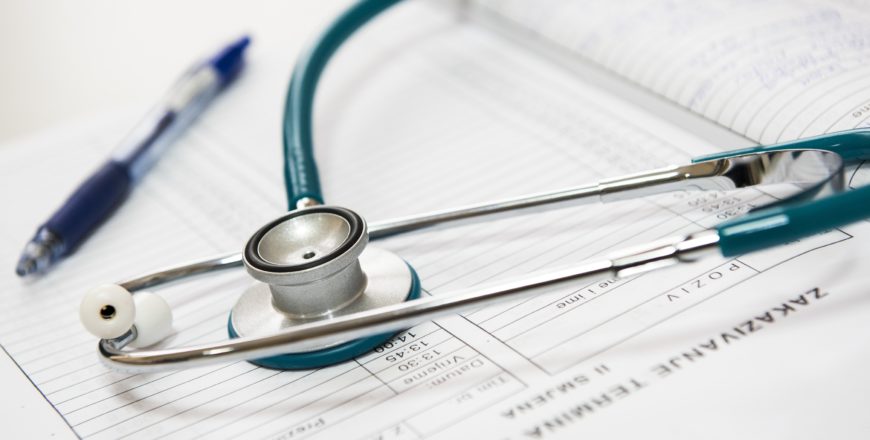
COURSE OVERVIEW: Administrative medical assistants are responsible for managing the front desk operations of a hospital, physician's office, or other medical facility so that doctors and other medical staff are free to provide the highest level of care to patients. In large facilities, administrative medical assistants work as part of a team, and are often responsible for managing multiple tasks in a high-pace work environment. Administrative medical assistants are responsible for a multitude of tasks that include communicating with patients, scheduling appointments, electronic medical coding, filing insurance claims, maintaining records, as well as accounting and billing. Administrative medical assistants are key players in providing healthcare facility support services. They are responsible for everything from making sure medical records are accurate to ensuring that medical facilities run smoothly. LEARNING OUTCOMES: Upon completion of this course students will be able to: - Develop the skills necessary to communicate with persons within and outside the clinical workplace and to understand the importance of communication - Apply the knowledge gained to the work environment - Understand and apply the skills required for an Administrative Medical Assistant - Function efficiently in a medical environment - Learn how to perform simple POCT
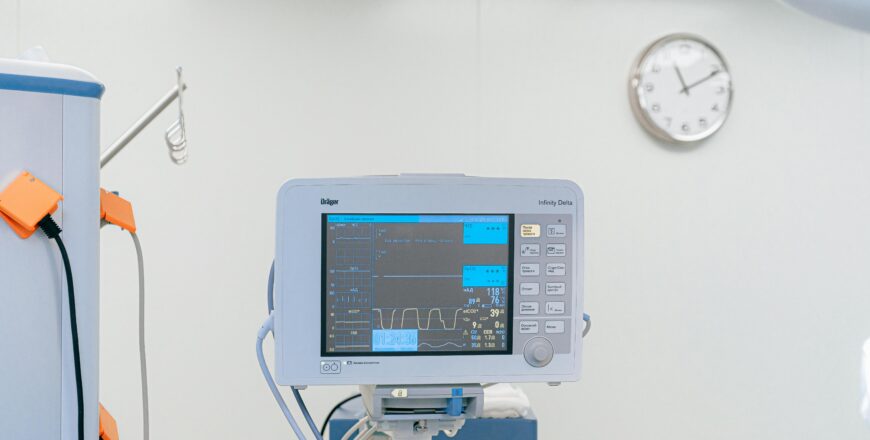
COURSE OVERVIEW: Biomedical Technology is a specialized technical field that focuses on the installation, inspection, maintenance, and repair of medical equipment used in healthcare facilities. Biomedical Technicians play a critical role in ensuring that medical devices function safely, accurately, and reliably, supporting patient care and clinical operations in hospitals, clinics, laboratories, and diagnostic centers. The Biomedical Technician course provides learners with foundational knowledge of biomedical equipment, basic electronics, medical instrumentation, and healthcare technology systems. The course emphasizes safe working practices, equipment operation, preventive maintenance, troubleshooting, and basic repair procedures for commonly used medical devices. Learners are also introduced to healthcare regulations, documentation practices, and quality assurance standards relevant to medical equipment management. Through a combination of theoretical instruction and applied learning, students will gain an understanding of how medical devices interact with electrical, mechanical, and electronic systems. The course prepares learners to support biomedical engineering departments and healthcare facilities by performing routine inspections, identifying faults, assisting with equipment installation, and ensuring compliance with safety and performance standards. Among the topics included in this course are: biomedical safety practices, basic electronics for biomedical applications, medical equipment classification, operation of diagnostic and therapeutic devices, preventive maintenance procedures, troubleshooting techniques, equipment calibration, documentation and reporting, and healthcare regulations and standards. LEARNING OUTCOMES: Upon completion of this course students will be able to: - Explain the role and responsibilities of a Biomedical Technician within a healthcare environment. - Demonstrate safe working practices when handling and servicing medical equipment, including adherence to infection control and electrical safety standards. - Identify common biomedical equipment and describe their functions and applications. - Apply basic electronic and mechanical principles to understand medical device operation. - Perform routine inspections, preventive maintenance, and basic servicing of medical equipment. - Diagnose common faults in biomedical devices using systematic troubleshooting techniques. - Assist with the installation, testing, and commissioning of medical equipment. - Calibrate and verify the basic performance of selected medical devices using appropriate procedures. - Maintain accurate service records, documentation, and reports in accordance with healthcare regulations and quality standards. - Support healthcare facilities in maintaining compliance with safety, operational, and regulatory requirements.
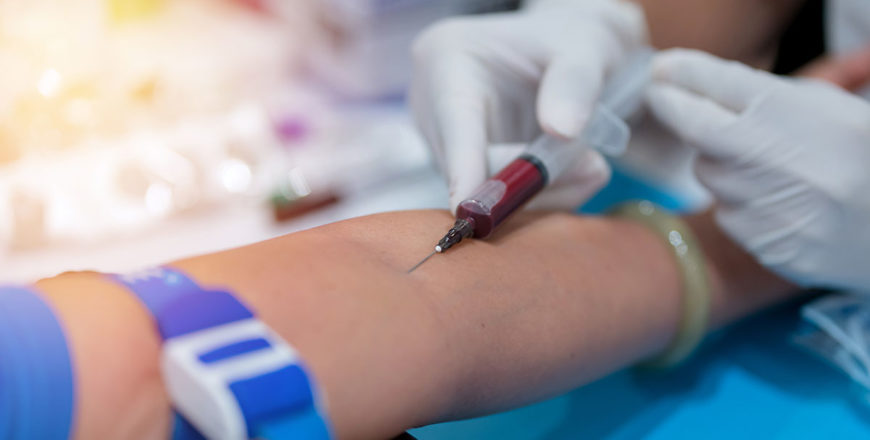
COURSE OVERVIEW This course will equip participants with the basic understanding of the roles and responsibilities of the Phlebotomy Technician within the medical laboratory and related clinical environments. It will identify the importance of the Phlebotomist within the organisation as it relates to proper handling, collection and transport of various samples and laboratory safety. It will encompass also an introductory knowledge of the various areas of the laboratory and clinical environment as it relates to the parameters of the profession whilst solidifying the participant's competencies as a Phlebotomist through a combination of theory and practicum. AMT QUALIFICATIONS ARE ACCEPTED BY PRIVATE AND GOVERNMENT HEALTH ORGANISATIONS IN TRINIDAD & TOBAGO - ONLINE STUDY AND IN-CLASS PRACTICALS - NO INTEREST PAYMENT PLANS - PAY WEEKLY OR MONTHLY The primary function of a Phlebotomist, also known as a Phlebotomy Technician, is the collection of blood samples from patients by venipuncture or micro-techniques. Phlebotomy plays a key role in laboratory testing and patient care. It is widely accepted that the quality of a laboratory test is only as good as the specimen that was collected. Due to the need to be cost-effective, Phlebotomy has now become a specialized area of clinical laboratory practice. Although a hospital is a common place where a phlebotomy technician may work, clinics, acute care facilities as well as doctors offices, are also ideal places for a phlebotomist to work. A Phlebotomy Technician's responsibilities may include, but are not limited to the following: - Performing venipunctures. - Performing capillary draws. - Transporting specimens to the laboratory. - Professionally interact with patients treating patients with empathy and compassion. - Respecting a patient's rights - Recognizing the need for continuing education and staying current in health care mandates. PAYMENT PLAN/ACCREDITATION EXAM FEES: Pay Monthly|Weekly; Payment Plan Available; Same Price|No Interest.
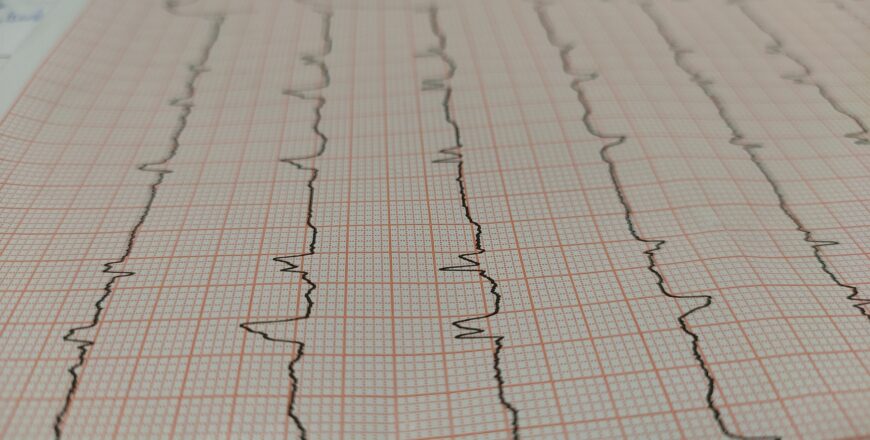
Course Overview This 20 Week EKG technician certification course provides comprehensive training for individuals seeking a career in the exciting field of electrocardiography. Through a blend of theoretical knowledge and practical application, you will gain the skills and confidence to excel as a certified EKG technician. Course Highlights: - Duration: 20 weeks - Format: Combination of theoretical lectures and hands-on labs - Certification: Prepares you for the AMCA EKG Technician Certification exams. Career Opportunities: Graduates of this program will be well-prepared to pursue careers in various healthcare settings, including hospitals, clinics, physician's offices, cardiac rehabilitation centers, mobile EKG services.
COURSE OVERVIEW: The Medical Administrative Specialist programme is designed to prepare learners for professional administrative roles within medical and healthcare environments such as clinics, hospitals, medical offices, and allied health facilities. Medical Administrative Specialists play a vital role in supporting healthcare delivery by ensuring that administrative, records management, billing, and patient coordination functions are carried out efficiently, ethically, and in compliance with healthcare regulations. The Certificate in Medical Administrative Specialist provides a comprehensive foundation in medical terminology, anatomy and basic clinical concepts, health records management, insurance processing, billing and coding, office administration, and the use of medical office technology. The course also emphasizes professionalism, legal and ethical responsibilities, patient confidentiality, and effective communication within healthcare settings. Throughout the course, learners will develop the practical, technical, and professional skills required to manage patient interactions, maintain accurate medical records, process insurance claims, and support daily medical office operations. Among the topics included in this course are: medical terminology and anatomy, healthcare laws and ethics, patient reception and communication, appointment scheduling, medical records management (paper-based and electronic), insurance billing and coding systems, financial and payroll procedures, electronic health record (EHR) systems, medical office software, infection control, and medical office management functions. LEARNING OUTCOMES: Upon successful completion of this course learners will be able to: - Use and define medical terminology, anatomical structures, and common disorders accurately within a healthcare administrative setting. - Apply legal, ethical, and professional standards in medical office operations, including compliance with HIPAA, AMA principles, and patient confidentiality requirements. - Manage patient interactions, appointments, reception duties, and professional communication effectively. - Collect, document, and chart patient information using both paper-based and electronic health record systems. - Maintain accurate, secure, and compliant medical records in accordance with healthcare regulations and organizational policies. - Demonstrate knowledge of infection control procedures, vital signs awareness, and basic emergency response protocols. - Process healthcare insurance claims, medical coding (CPT, ICD, HCPCS), billing, and reimbursement procedures accurately. - Perform basic financial, payroll, banking, and administrative tasks relevant to medical office operations. - Utilize medical office software, electronic health record (EHR) systems, and electronic communication tools securely and efficiently. - Assist with medical office management functions, including human resources support, workplace safety, and quality assurance activities.

COURSE OVERVIEW This course will equip participants with the basic understanding of the roles and responsibilities of the Medical Laboratory Assistant (MLA) within a medical laboratory. It will identify the importance of the MLA within the organisation as it relates to proper handling, transporting and collection of various samples, laboratory safety and a working knowledge of the various areas of a medical laboratory. Participants will gain practical experience through lab exercises will assist in solidifying a participant's competencies as an MLA through a combination of theory and practicum. - ONLINE THEORY AND IN-CLASS PRACTICALS - NO INTEREST, PAYMENT PLANS - PAY WEEKLY OR MONTHLY CERTIFICATION: AMT (US) - www.americanmedtech.org AMT QUALIFICATIONS ARE ACCEPTED BY PRIVATE AND GOVERNMENT HEALTH ORGANISATIONS IN TRINIDAD & TOBAGO LEARNING OUTCOMES Upon successful completion of the course, participants should be able to: - Understand the importance and perform the role of an MLA within a healthcare organization in improving healthcare services - Demonstrate understanding of concepts used in the medical laboratory - Demonstrate the ability to work well with other medical professionals - Demonstrate good communication skills with patients and other medical professionals. - Apply knowledge gained in contributing to the organization objectives and goals - Perform the correct procedures and techniques in all areas of the laboratory. - Identify key features of anatomy and physiology. - Competently perform skills associated with blood collection techniques including collection protocols for other "non-blood" samples such as Urines, Stools, Sputum and Semen. - Practice principles of laboratory safety and infection control. - Demonstrate use and care of laboratory equipment. - Correctly use medical terminology related to the laboratory. - Demonstrate the ability to make sound ethical decisions.
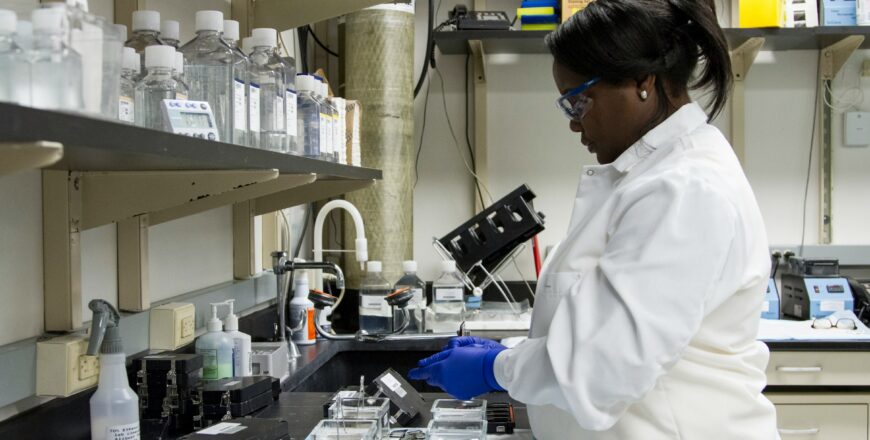
Medical Multi-Skilled Technician Programme: Course Overview This comprehensive programme equips you with the essential skills and knowledge to excel as a Medical Multi-Skilled Technician (MST). Through a blend of theoretical learning and practical training, you'll gain expertise in various healthcare settings, including hospitals, clinics, and laboratories. You gain knowledge of: 1. The Medical Laboratory Assistant (MLA) 2. The EKG Technician 3. The Phlebotomy Technician 4. Medical Administration 5. Anatomy & Physiology At the end of the programme students would have gained the knowledge required to undertake the Certification Examinations for AMT and AMCA and be Certified in these areas. Upon successful completion of this programme, you will be able to: - Demonstrate a thorough understanding of medical terminology and basic anatomy and physiology. - Perform essential administrative tasks in a healthcare setting with accuracy and efficiency. - Collect and handle various specimens safely and correctly, adhering to best practices. - Assist with and perform basic diagnostic procedures, ensuring patient comfort and safety. - Contribute effectively to the healthcare team, promoting quality patient care. This programme is ideal for individuals seeking a rewarding career in healthcare with diverse opportunities for growth and specialization. Certification: AMT and AMCA.

Course Overview - Patient Care Technician Our comprehensive Patient Care Technician (PCT) course is designed to prepare students to become skilled professionals in the healthcare field. This program is ideal for individuals passionate about patient care and interested in working closely with registered nurses and doctors. Through this course, students will gain the necessary qualities, knowledge, and skills to provide exceptional basic care in various patient care settings. Key Learning Objectives: - Basic Nursing and Home Health Care: Learn the fundamentals of nursing care, focusing on the needs of patients at home and in healthcare facilities. - Personal and Physical Care: Acquire skills in assisting patients with daily activities and physical care, ensuring comfort and promoting health. - Diagnostic Testing: Gain proficiency in critical diagnostic areas such as electrocardiography (EKG) and phlebotomy, essential for monitoring and managing patient health. - Post-Operative and Geriatric Care: Develop specialized skills to care for post-surgical patients and meet the unique needs of the elderly population. - Safety and Environmental Issues: Understand the importance of maintaining a safe and clean environment to prevent infections and ensure the well-being of patients and healthcare providers. - Legal and Ethical Issues in Nursing: Learn about the ethical considerations and legal aspects that govern patient care. Program Details: - Duration: 20 Sessions - Format: Online live lectures and hands on practical sessions. - Certification: Upon completion, graduates will be prepared to take the AMCA Patient Care Technician certification exam to become a Certified Patient Care Technician. Career Opportunities: hospitals, long-term care facilities, rehabilitation centers, and home health care settings.
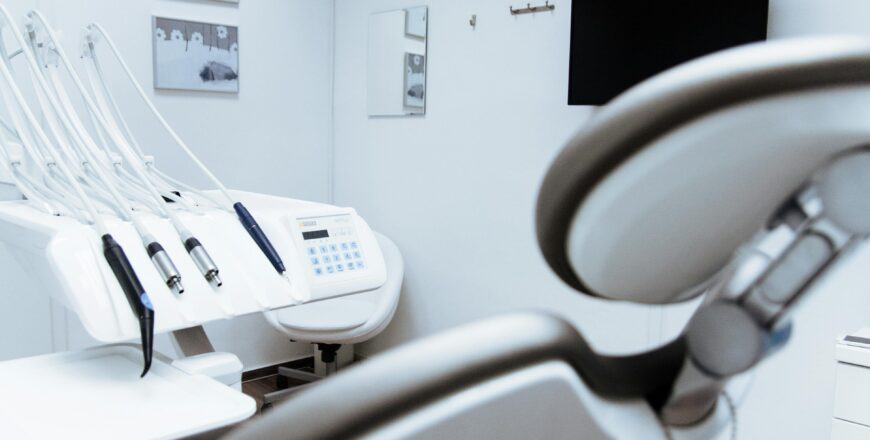
Course Overview Welcome to the Registered Dental Assistant Course, an immersive training program designed for individuals seeking a rewarding career in the dental field. This comprehensive course offers in-depth knowledge and hands-on experience to prepare you for a vital role within a dental office. What You Will Learn: - Fundamentals of Dental Assistance: Gain a strong foundation in the basics of dental health and the responsibilities of a dental assistant. - Four-Handed Dentistry: Master the art of efficient chairside assistance, improving the dentist's workflow and patient experience. - Radiology Skills: Develop the ability to perform and assist in dental X-rays with a focus on safety and accuracy. - Charting and Records Management: Learn the systematic approach to maintaining precise dental records and charting patient information. - Appointment Scheduling: Understand the dynamics of managing appointments to ensure smooth operation of the dental office. - Instrument Sterilization: Acquire critical skills in sterilizing and preparing instruments, a key component of infection control. Program Details: - Duration: 20 Sessions - Format: Online live lectures and hands on practical sessions. Career Opportunities: general dental practices, specialty clinics, and hospital dental services.