All ABE Business Diplomas Business Programmes Certificate Programmes City and Guilds Diploma Medical Programmes Professional Programmes Technical Programmes
Active Directory/Server Infrastructure (Network Engineering 2)
Technical Programmes Active Directory/Server Infrastructure (Network Engineering 2)

Course Overview: This course introduces students to Windows Server 2016 Active Directory. Upon completion, students should be able to perform tasks related to planning, configuring, implementing and administering an Active Directory Infrastructure in an Enterprise. They should have an understanding and be able to implement a File Server, Print Server and VPN server. The student should be familiar with PowerShell and be able to perform simple administrative tasks via the command line. Learning Outcomes: Upon successful completion of this course, students will be able to: - Describe the logical and physical components of Active Directory. - Create and configure a forest and domain structure by using an Active Directory infrastructure design. - Plan and implement an organizational unit structure. - Plan and implement Active Directory user, group, and computer accounts. - Plan and implement a Group Policy strategy to centrally manage users and computers in an enterprise. - Plan and implement a File Server, Print Server and VPN Server - Administer Active Directory and Group Policies via the RSAT tools - Use simple PowerShell commands to administer Active Directory Minimum System Requirements: CPU: Intel or AMD 64-bit, 2.9 GHz or faster; RAM: 8 GB; HDD: 50 GB; OS: 64-bit Windows 7 SP1; Screen: 1366 x 768; Broadband Internet. Recommended: CPU: 3.5 GHz or faster; RAM: 16 GB; HDD: 50 GB; GPU: NVIDIA GeForce GTX 960; OS: 64-bit Windows 10 (1809+); Screen: 1080p; Broadband Internet. Duration: 12 Weeks | Lectures: 14 | Quizzes: 1

TTD 1,895.00 In Stock
Register
Advanced Electrical Installation
Technical Programmes Advanced Electrical Installation

Course Details: This course will enable participants to have advance knowledge of Electrical Installation. Topics include Illumination; Protection; Transformers; Generators; Turbines; Testing; Uninterruptible Power Supply and Regulations. Practical will include Switching, Trouble Shooting, and Termination. Upon completion, participants should have a better understanding of electrical concepts and should be able to apply relevant regulation to their project. Upon completion of this course students will: a) Understand various types of lighting and their applications. b) Understand the codes and standards related to commercial wiring. c) Understand various types of power generating apparatus. d) Understand how to trouble shoot and solve electrical problem. e) Be able to break a switch leg and make various connections. f) Be able to use material and equipment in electrical installations. Duration: 12 Weeks | Lectures: 14 | Quizzes: 1 | Level: Intermediate
TTD 1,495.00 In Stock
Register
Advanced Graphic Design
Technical Programmes Advanced Graphic Design

COURSE OVERVIEW Advanced Graphic Design uses the enhancement of the Adobe Creative Suite software, which includes Photoshop, After Effects and Illustrator to create advanced graphic documents. Advanced style and techniques will be used throughout the layout and design process. The design process will be explored further, and students will be given more challenging graphic tasks and assignments. LEARNING OUTCOMES: Upon completion of this course, students will be able to: - Use advanced features of Illustrator & Photoshop - Design for Media - Develop Animation - Create Video Animation - Create Flash Design Duration: 8 Weeks | Lectures: 5 | Quizzes: 1 | Level: Advanced

TTD 1,495.00 In Stock
Register
AI Fundamentals
Technical Programmes AI Fundamentals

COURSE OVERVIEW: Artificial Intelligence (AI) Fundamentals is the study of the core concepts, tools, and practical applications of artificial intelligence in modern society and business. It explores how intelligent systems are designed to simulate aspects of human thinking such as learning, reasoning, decision-making, and problem-solving. As AI technologies increasingly influence industries, workplaces, and everyday life, understanding how to use these tools effectively has become an essential skill. This course is designed for both individuals with little or no technical background and those already familiar with information technology who wish to begin actively using AI tools. It provides an accessible introduction to AI concepts while progressively introducing more technical insights for learners who wish to deepen their understanding. Students will learn what AI is, how it works at a foundational level, and how to apply modern AI tools in real-world scenarios. Emphasis is placed on practical usage, responsible deployment, and critical evaluation of AI outputs. Non-technical learners will gain confidence in using AI tools for productivity, research, business tasks, and creative work. Technically inclined learners will develop a clearer understanding of the underlying mechanisms such as machine learning models, data training processes, and system limitations. The method for accomplishing this includes guided demonstrations, practical exercises using widely available AI platforms, real-world case studies, and structured discussions on ethical and responsible AI use. Learners will engage with generative AI systems, automation tools, and intelligent assistants while developing the ability to assess reliability, bias, and risk. Among the topics included in this course are: introduction to artificial intelligence, history and evolution of AI, types of AI systems, generative AI and large language models, machine learning fundamentals, data and algorithms, practical AI tool usage, AI for productivity and business, automation basics, prompt design principles, AI ethics and governance, bias and fairness in AI systems, and evaluating AI outputs. LEARNING OUTCOMES: Upon completion of this course learners will be able to: - Describe the fundamental concepts and terminology of Artificial Intelligence. - Explain the differences between AI, machine learning, and generative AI. - Confidently use common AI tools for research, writing, data analysis, automation, and productivity tasks. - Apply effective prompting techniques to improve AI-generated results. - Describe how data is used to train and influence AI systems. - Identify the strengths, limitations, and risks associated with AI technologies. - Evaluate AI outputs critically for accuracy, bias, and reliability. - Apply AI tools appropriately within business, educational, and professional environments. - Explain ethical considerations and responsible AI usage principles. - Communicate AI concepts clearly to both technical and non-technical audiences. Duration: 8 Sessions

TTD 1,995.00 In Stock
Register
Air Conditioning & Refrigeration Level 1
Technical Programmes Air Conditioning & Refrigeration Level 1

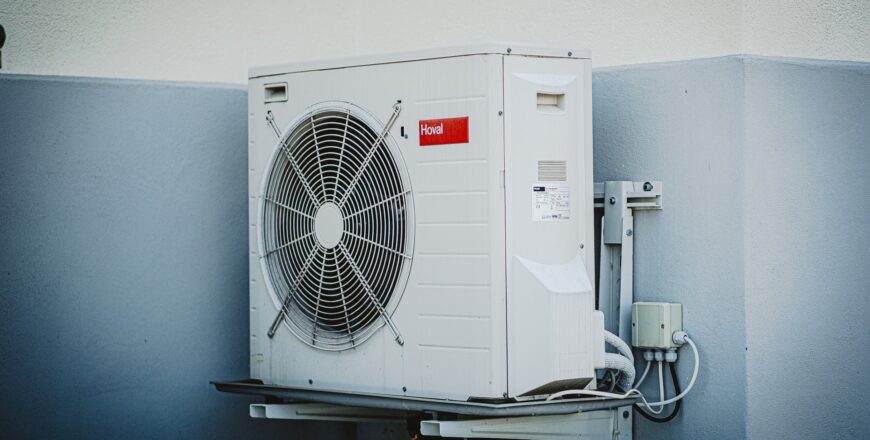
Course Overview This Air Conditioning & Refrigeration Course teaches the skills required to diagnose, maintain, and repair residential air conditioning and an introduction to commercial air conditioning and refrigeration equipment. At the end of this course students will be able to: - Understand the operation of Air Conditioning & Refrigeration Systems - Identify and describe the function of the major components of Air Condition and Refrigeration Systems - Determine refrigerant properties and characteristics as well the safe handling of refrigerants and cylinders - Understand the purpose and use of tools associated with the installation and maintenance of Air Condition & Refrigeration Systems. Duration: 12 Weeks | Lectures: 5 | Quizzes: 1

TTD 2,500.00 In Stock
Register
Biomedical Technician
Medical Programmes Biomedical Technician

COURSE OVERVIEW: Biomedical Technology is a specialized technical field that focuses on the installation, inspection, maintenance, and repair of medical equipment used in healthcare facilities. Biomedical Technicians play a critical role in ensuring that medical devices function safely, accurately, and reliably, supporting patient care and clinical operations in hospitals, clinics, laboratories, and diagnostic centers. The Biomedical Technician course provides learners with foundational knowledge of biomedical equipment, basic electronics, medical instrumentation, and healthcare technology systems. The course emphasizes safe working practices, equipment operation, preventive maintenance, troubleshooting, and basic repair procedures for commonly used medical devices. Learners are also introduced to healthcare regulations, documentation practices, and quality assurance standards relevant to medical equipment management. Through a combination of theoretical instruction and applied learning, students will gain an understanding of how medical devices interact with electrical, mechanical, and electronic systems. The course prepares learners to support biomedical engineering departments and healthcare facilities by performing routine inspections, identifying faults, assisting with equipment installation, and ensuring compliance with safety and performance standards. Among the topics included in this course are: biomedical safety practices, basic electronics for biomedical applications, medical equipment classification, operation of diagnostic and therapeutic devices, preventive maintenance procedures, troubleshooting techniques, equipment calibration, documentation and reporting, and healthcare regulations and standards. LEARNING OUTCOMES: Upon completion of this course students will be able to: - Explain the role and responsibilities of a Biomedical Technician within a healthcare environment. - Demonstrate safe working practices when handling and servicing medical equipment, including adherence to infection control and electrical safety standards. - Identify common biomedical equipment and describe their functions and applications. - Apply basic electronic and mechanical principles to understand medical device operation. - Perform routine inspections, preventive maintenance, and basic servicing of medical equipment. - Diagnose common faults in biomedical devices using systematic troubleshooting techniques. - Assist with the installation, testing, and commissioning of medical equipment. - Calibrate and verify the basic performance of selected medical devices using appropriate procedures. - Maintain accurate service records, documentation, and reports in accordance with healthcare regulations and quality standards. - Support healthcare facilities in maintaining compliance with safety, operational, and regulatory requirements. Duration: 9 Months

TTD 6,995.00 In Stock
Register
CCTV/Security Camera Installation
Technical Programmes CCTV/Security Camera Installation

Course Overview: This course will introduce the basics of CCTV system, how it works and types of CCTV system. In this course, you will also learn about the CCTV camera features which plays a very crucial role in recording a good quality video and make optimum use of the available resources. The complete CCTV installation course offers a superb blend of 'need to know' classroom theory and 'hands on' practical experience. You will gain the necessary knowledge and skills to work effectively in the electronic security and video surveillance sector will be explored. From cabling to the latest HD analogue and IP integration techniques. - Understand what CCTV system is and how it works. - Identify the different types of CCTV system and CCTV components. - How to use different tools and software's related to IP CCTV system. - IP CCTV basics and skills related to IP CCTV systems. London International College Certified. About London International College: London International College is a not-for-profit, independent sector college of higher education. Founded in 1974, it is one of the longest-established private colleges in London. London International College has graduated thousands of students, who have gone on to successful careers in exciting areas such as IT companies, the financial sector, marketing and further education. Duration: 6 Weeks | Lectures: 5 | Quizzes: 1

TTD 2,695.00 In Stock
Register
Cell Phone Repairs
Technical Programmes Cell Phone Repairs

COURSE OVERVIEW The widespread ownership and use of mobile phones has created a need for professionals who can repair and service mobile phones. This course has been developed to address that need. The course targets people who would like to start and run a mobile repair and servicing business. By the end of this course, you should be able to disassemble and assemble a mobile phone, diagnose the problem, service and repair a mobile phone with the help of proper tools and instruments. This course is provided through distance learning, and we trust that you will find the material useful both for studying and as future reference. Learning Outcomes Upon completion of this course you will be able to: - Identify different types of mobile cell phones - Recognise potential hazards in the repair of mobile cell phones - Identify the parts of a mobile cell phone - Use the correct hardware tools to repair mobile cell phones - Assembly and disassembly a mobile cell phone - Identify mobile cell phone faults and solve them. Duration: 6 Weeks | Lectures: 5 | Quizzes: 1
TTD 1,495.00 In Stock
Register
Data Analytics and Business Intelligence Systems
Technical Programmes Data Analytics and Business Intelligence Systems

COURSE OVERVIEW: Data Analytics and Business Intelligence are critical disciplines that enable organizations to transform raw data into meaningful insights that support strategic planning, operational efficiency, and competitive advantage. In today's data-driven business environment, professionals must be able to analyze complex data sets, interpret trends, and communicate insights effectively to inform decision-making at all levels of an organization. The Certificate in Data Analytics and Business Intelligence Systems is an intensive programme designed for professionals seeking to deepen their knowledge and expertise in advanced data analytics and business intelligence. The course provides comprehensive training in advanced data analysis techniques, business intelligence tools, and data-driven decision-making processes. Learners will develop the skills required to collect, manage, analyze, and visualize data to support business strategy and performance optimization. Among the topics included in this course are: advanced data analysis techniques, business intelligence systems and tools, data management and data quality, data-driven decision-making frameworks, big data technologies, analytical project development, and emerging trends in data analytics and business intelligence. LEARNING OUTCOMES: Upon successful completion of this course students will be able to: - Apply advanced data analysis techniques to interpret complex data sets and uncover meaningful business insights. - Utilize business intelligence tools effectively to analyze, visualize, and communicate data-driven findings. - Implement data-driven decision-making processes to support strategic and operational objectives. - Manage data assets and ensure data quality, integrity, and reliability for analytical purposes. - Understand and apply foundational big data technologies and concepts within business intelligence environments. - Develop, execute, and present analytical projects that address real-world business challenges. - Stay informed of emerging industry trends, tools, and best practices in data analytics and business intelligence. Duration: 10 Sessions

TTD 1,995.00 In Stock
Register
Digital Forensics
Technical Programmes Digital Forensics

COURSE OVERVIEW: Digital Forensics Digital Forensics is the branch of forensic science that deals with the identification, collection, preservation, analysis, and presentation of digital evidence. This field focuses on uncovering and interpreting data from digital devices and systems in a manner that is legally acceptable and scientifically sound. Digital evidence may originate from computers, mobile devices, storage media, networks, and other electronic systems, and is often used in criminal investigations, corporate inquiries, and civil litigation. This course introduces students to the fundamental concepts, principles, tools, and procedures used in digital forensic investigations. As students engage in this course, they will develop both theoretical understanding and practical skills required to handle digital evidence responsibly and effectively. Emphasis is placed on maintaining the integrity of evidence through proper forensic procedures and chain-of-custody practices. The method for accomplishing this includes hands-on exposure to digital forensic tools and techniques, analysis of computer systems and file structures, basic network investigation concepts, and the examination of digital media. Students will also learn how to document findings and present results in a structured digital forensics report suitable for legal or professional environments. Among the topics included in this course are: introduction to digital forensics, types of digital evidence, forensic methodologies, evidence collection and preservation procedures, computer systems and file systems, network and media analysis, common digital forensic tools, and the preparation and presentation of digital forensic reports. LEARNING OUTCOMES: Upon completion of this course students will be able to: - Describe the field of Digital Forensics and its role in modern investigations. - Explain fundamental digital forensic principles, techniques, and methodologies. - Identify and implement proper procedures for the collection and preservation of digital evidence. - Explain the importance of evidence integrity, documentation, and chain of custody. - Describe common types of digital media and systems used in digital forensic investigations. - Identify and explain the purpose of commonly used digital forensic tools. - Distinguish between different types of digital forensics, including computer, network, and media forensics. - Analyze basic digital data and interpret forensic findings. - Design, document, and implement a simple digital forensics report that presents evidence clearly and professionally. Duration: 10 Sessions

TTD 1,995.00 In Stock
Register
Electrical-Power
Technical Programmes Electrical-Power

POWER This unit introduces participants to the fundamentals of electrical power and machines. This course covers the theoretical concepts associated with power distribution systems, alternating current and direct current motors, both single phase and three phase, power generation along with other areas that aid with the generation, distribution and utilization of electrical power. LEARNING OUTCOMES: Upon completion of this course students will: 1. understand and perform basic and advanced calculations for electrical resistance and impedance 2. apply an understanding of the construction and different configurations of transformers to troubleshoot problems 3. able to apply an understanding of AC and DC machines to make recommendations and solve problems. 4. understand & apply concepts of power distribution to troubleshoot and make recommendations Lectures: 5 | Quizzes: 1 | Level: Intermediate

TTD 1,595.00 In Stock
Register
Engineering Science
Technical Programmes Engineering Science

Engineering is a discipline that uses scientific theory to design, develop or maintain structures, machines, systems and processes. Engineers are therefore required to have a broad knowledge of the science that is applicable to the industry around them. Engineering Fundamentals involves the application of creative reasoning, science, mathematics and problem solving skills. In this course, you will learn how to use fundamental engineering knowledge to develop your scientific, communication and problem-solving skills utilizing the laws and applications of the physical sciences within engineering and applying this knowledge to find solutions to a variety of engineering problems. Among the topics included in this course are: the international system of units, data interpretation, static and dynamic forces, fluid mechanics and thermodynamics, material properties and failure, and D.C circuit theories. Upon completion of this course students will be able to: - Examine and analyze scientific data using computational methods. - Determine parameters within mechanical engineering systems. - Explore the characteristics and properties of engineering materials. - Analyze applications of electrical principles and properties

TTD 1,495.00 In Stock
Register
Fundamentals of Blueprint Reading for Engineers
Technical Programmes Fundamentals of Blueprint Reading for Engineers

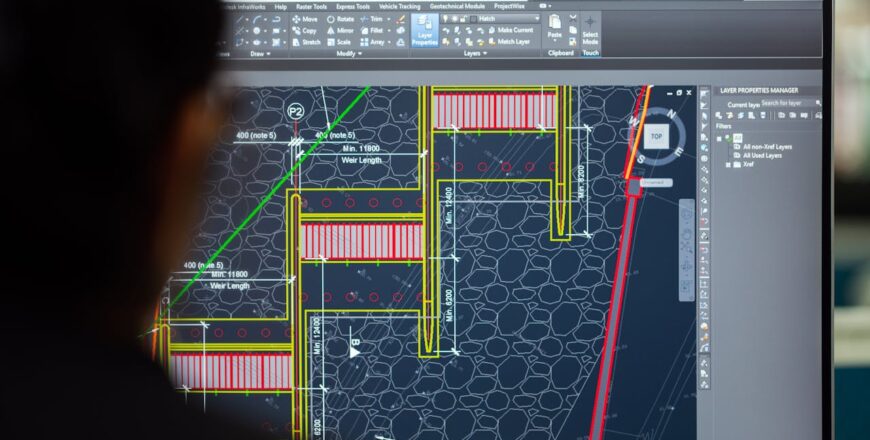
This course is intended as an introduction to understanding blueprints and being able to visualize and understand the intent of the designer as presented in a blueprint. The first step in providing quality of a product is interpreting the drawing correctly and applying the given information to the final product. This course is a guide to interpreting drawings commonly found in Engineering. It provides information for blueprint reading beginning with the background of blueprints, looking at the types of lines used on a drawing, and how parts are shown in different views. At the end of this course students will be able to: - Visualize three-dimensional objects while viewing two-dimensional drawings - Interpret the following engineering drawing applications: Line conventions; Standard drawing symbols; Section views; Screw thread representation; Dimensioning; Tolerancing; Machining specifications; Surface texture; Title block and parts list; Drawing notes; Drawing revision systems Duration: 6 Weeks | Lectures: 5 | Quizzes: 1

TTD 1,495.00 In Stock
Register
Graphic Design
Technical Programmes Graphic Design

Graphic Design: This is an introductory graphic design course. It is targeted towards anyone with an interest in graphics or who may be looking for a formal certificate. This course will provide the skills and experience necessary to make use of different graphic design programs, which can give an edge in today's competitive job market. The Graphic Design course covers many key areas and programs such as: Adobe Photoshop, Adobe Illustrator, Object drawing, Object manipulation, Design principles, Packaging, Printing. LEARNING OUTCOMES: - identify the basics aspects of computer-aided design - apply basic design principles - use fundamental tools and features in Adobe Illustrator - use fundamental tools and features in Adobe Photoshop - execute graphic design assignments independently - Develop critiquing skills and sensibilities about design elements - set-up and export files for print and digital use - Develop recommended professional etiquette and practices Minimum System Requirements: CPU: Intel or AMD processor with 64-bit support, 2 GHz or faster; RAM: 4 GB; HDD: 3.1 GB of storage space; GPU: NVIDIA GeForce GTX 1050 or equivalent; OS: 64-bit Windows 7 SP1; Screen Resolution: 1280 x 800; Network: Broadband Internet Connection. Recommended System Requirements: CPU: Intel or AMD processor with 64-bit support, 2 GHz or faster; RAM: 8 GB; HDD: 10 GB of storage space; GPU: NVIDIA GeForce GTX 1660 / NVIDIA Quadro T1000; OS: 64-bit Windows 10, October 2018 update, version 1809 or later; Screen Resolution: 720p; Network: Broadband Internet Connection. Duration: 8 Weeks | Lectures: 13 | Quizzes: 1 | Level: Beginner

TTD 1,495.00 In Stock
Register
Industrial Instrumentation Level 1
Technical Programmes Industrial Instrumentation Level 1

The course aims to introduce the students the function and role of process measurement and instrumentation in an industrial processes and manufacturing environment. At the end of this course students will be able to: - Understand the difference between Open-loop and closed-loop control systems - Describe Typical processes that measure pressure temperature, flow, and level. - Identify Sensing devices their uses in measuring pressure, level, flow and temperature. - Understand the function of Transmitters, receiving devices, controllers, valves and other process instruments - The basics of pressure measurement devices. - Identify the types of meters Manometers, bourdon tubes, diaphragms, capsules, bellows, and strain gauges. Principles of Level Measurement - Level measurements differentiate between low-pressure and high-pressure level measuring methods - Uses of capacitance, displacer, and reluctance probes in measurement and instrumentation. - Methods of level measurement such as infrared, radioactive, and ultrasonic systems will be discussed. Principles of Temperature Measurement - Thermocouples, RTDs, thermistors. Duration: 12 Weeks | Lectures: 5 | Quizzes: 1

TTD 1,995.00 In Stock
Register
Introduction to Architectural Design
Technical Programmes Introduction to Architectural Design

COURSE OVERVIEW: Introduction to Architectural Design is the study of the fundamental principles, processes, and visual language used in the creation of the built environment. It explores how architects conceptualize and shape space, form, and function while responding to human needs, environmental conditions, and cultural context. Architecture combines creative design thinking with technical understanding to produce spaces that are functional, meaningful, and sustainable. This course introduces learners to the core ideas and methods of architectural design, providing a foundation for understanding how buildings and spaces are conceived and developed. As learners engage in this course, they will develop design awareness, creative thinking, and visual communication skills essential to architectural practice. Emphasis is placed on understanding spatial organization, basic design principles, and the role of sustainability in contemporary design. The method for accomplishing this includes online lectures, visual case studies, and applied design exercises that encourage exploration and experimentation. Learners will be introduced to basic drawing and representation techniques, conceptual design methods, and analytical approaches to understanding space and user needs. This course establishes a foundation for further studies in architecture, construction, interior design, and other disciplines within the built environment. Among the topics included in this course are: the role of architecture and the design process, architectural terminology, form and space, scale and proportion, spatial organization, basic drawing and diagramming techniques, interpretation of architectural drawings, functional and user-based design, site and climate considerations, and introductory environmental and sustainable design concepts. LEARNING OUTCOMES: Upon completion of this course learners will be able to: - Describe key architectural concepts, terminology, and the architectural design process. - Explain the role of architecture within social, cultural, and environmental contexts. - Apply basic design principles such as form, space, balance, scale, and proportion. - Interpret and produce simple architectural drawings, diagrams, and visual representations. - Analyze relationships between function, users, and spatial organization in basic design problems. - Evaluate the influence of site conditions, climate, and sustainability on architectural design. - Communicate conceptual design ideas clearly using appropriate visual and written methods. Duration: 8 Sessions
TTD 995.00 In Stock
Register
Level 2 Certificate in Engineering, Electrical and Electronics Technology
City and Guilds Diploma Level 2 Certificate in Engineering, Electrical and Electronics Technology

Programme Overview The City & Guilds Level 2 Certificate in Engineering - Electrical & Electronic Technology is designed to provide students with a comprehensive understanding of electrical and electronic engineering principles, practices, and technologies. This program prepares students for entry-level roles in various sectors of the engineering industry, including manufacturing, construction, maintenance, and telecommunications. To achieve this Level 2 Certificate in Engineering - Electrical & Electronic Technology, learners must successfully complete 5 units with a total credit value of 35. Unit Breakdown: Unit 201 Working in engineering (Level 2, Credit value 7): underpinning basic skills and knowledge needed to function in engineering or manufacturing sectors; safe working practices, the environment, teamwork, communication. Outcomes: Know engineering health and safety requirements; Know effective methods of communication; Understand drawings and specifications; Know about working in engineering. Unit 202 Principles of engineering technology (Level 2, Credit value 7): basic principles of mathematics and science, materials technology, applied engineering calculations and materials selection. Outcomes: Know requirements for materials in engineering; Know properties of engineering materials; Apply analytical methods to engineering mathematical applications; Apply analytical methods to engineering science applications. Unit 211 Maintaining electrical wiring support systems (Level 2, Credit value 7): installation/maintenance of electric wiring support systems including conduit, trunking and traywork systems. Outcomes: Plan and prepare for electrical wiring support systems; Install and repair electrical support systems; Commission the system. Unit 221 Principles of electrical and electronics technology (Level 2, Credit value 7): Electrical and Electronic Technology required for working with lighting, heating and power circuits. Outcomes: Know the basic units used in electrotechnology; Know the application of electrotechnology; Identify the characteristics of an electrical circuit. Unit 222 Maintaining electrical equipment and systems (Level 2, Credit value 7): maintenance of electrical engineering equipment up to 400v. Outcomes: Prepare for maintaining electrical systems/equipment; Carry out the maintenance of electrical systems/equipment. Awarding body: City & Guilds. Duration: 6 Months (2 Academic Semesters)

TTD 4,500.00 In Stock
Register
Mobile App Development
Technical Programmes Mobile App Development

COURSE OVERVIEW This is an introductory Mobile App Development course. The course will introduce students to the world of mobile Application, the importance of mobile apps, the composition of these apps and becoming a developer for both Android And Apple. AIM - To introduce the learners to mobile application development. - To provide learners with the skills and knowledge needed to build a simple mobile app. Learning Outcomes: Upon successful completion of the course, participants should be able to: - Understand the difference between traditional (desktop) applications and mobile apps - Be familiar enough with Android Studio to create a basic app - Understand the how to use a real Android device with Android Studio for app development - Understand the Android platform with respect to developing simple apps. - Understand the core building blocks of Android apps. - Create a basic android app - Create a basic app using a cloud-based environment. - Understand how to use the Apple and Google systems to publish apps. Duration: 8 Weeks | Lectures: 13 | Quizzes: 1

TTD 1,495.00 In Stock
Register
Network Engineering 1 (Network +)
Technical Programmes Network Engineering 1 (Network +)

Course Overview: This course introduces students to the networking field. Upon completion, students should be able to perform tasks related to basic network design, planning and configuration, network troubleshooting using the OSI model, network security, subnetting and documentation. Learning Outcomes: Upon successful completion of this course, students will be able to: - Explain key networking concepts using proper terminology. - Perform Binary Math Operations for IP Addresses and Subnetting - Identify advantages and disadvantages of existing network configurations and recommend solutions. - Recognize and mitigate security threats for a SOHO network. - Verify and troubleshoot network and Internet connectivity. - Design and Implement a Small Office / Home Office (SOHO) network. Duration: 10 Weeks | Lectures: 15 | Quizzes: 1

TTD 1,495.00 In Stock
Register
Occupational Health & Safety
Professional Programmes Occupational Health & Safety

COURSE OVERVIEW This course introduces students to the study of workplace occupational health and safety. It highlights and teaches the importance of implementing safe work practices in the workplace and by extension in the home. Students will learn to identify hazards and prevent accidents and incidents by applying risk control measures. AIMS OF THE COURSE To provide students with: - An introduction to safety and health - An understanding of the requirements of Safety & Health Law and Regulations - The fundamentals for the development of a safety and health policy - The ability to identify workplace hazards and measures for controlling the risk level - An understanding of the risk assessment methodology - An introduction to Safe Systems of Work - An introduction to the basics of Accident Reporting and Investigations LEARNING OUTCOMES: Upon successful completion of this course, the student will have demonstrated the ability to: - Define safety and health terms and standards - Demonstrate a working knowledge of the Safety & Health Law and Regulations as it pertains to the workplace - Draft a safety & health policy including the three (3) main elements - Evaluate a workspace and identify the hazards and select appropriate control measures based on the hierarchy of controls - Apply the basic principles of a risk assessment - Identify the types of safe systems of work and their applications - Demonstrate knowledge of reporting requirements and accident causation factors Duration: 10 Weeks | Lectures: 13 | Quizzes: 1

TTD 1,895.00 In Stock
Register
Refrigeration Repairs
Technical Programmes Refrigeration Repairs

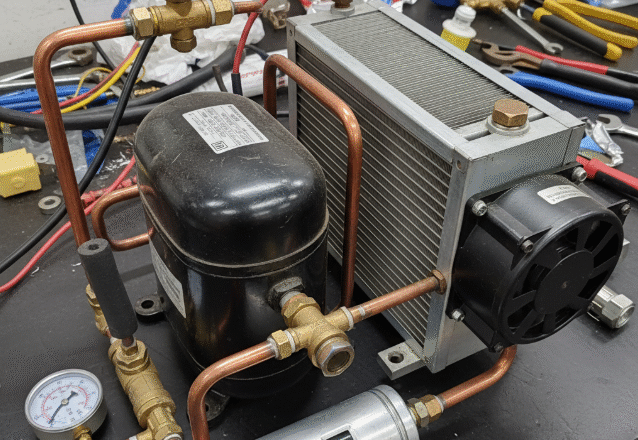
COURSE OVERVIEW: Refrigeration Repairs is a technical field concerned with the operation, maintenance, and repair of refrigeration systems used in domestic and light commercial applications. These systems function by removing heat from an enclosed space through a controlled refrigeration cycle, allowing food, medicine, and other temperature-sensitive items to be preserved safely and efficiently. The Certificate in Refrigeration Repairs provides learners with a foundational understanding of refrigeration principles, system components, and basic repair practices. Delivered fully online, the course focuses on how refrigeration systems operate, the tools and safety procedures required for servicing, and the identification and diagnosis of common faults. Emphasis is placed on understanding system functionality, applying safe working practices, and using logical troubleshooting techniques to address common refrigeration problems. As learners progress through the course, they will develop knowledge of the refrigeration cycle, major system components, and the interaction between electrical and mechanical elements within a system. The course also introduces routine maintenance procedures designed to improve system efficiency, reliability, and service life. This programme is ideal for individuals seeking entry-level knowledge in refrigeration repairs or those wishing to enhance their understanding of domestic and light commercial refrigeration systems. Among the topics included in this course are: basic refrigeration principles, refrigeration system operation, component identification, tools and equipment used in refrigeration repairs, safety practices, common system faults, troubleshooting techniques, basic electrical and mechanical faults, and routine maintenance procedures. LEARNING OUTCOMES: Upon completion of this course students will be able to: - Explain the basic principles of refrigeration and describe how refrigeration systems operate. - Identify major refrigeration system components and explain their functions within the refrigeration cycle. - Apply appropriate safety procedures and demonstrate proper use of tools and equipment used in refrigeration repairs. - Diagnose common domestic and light commercial refrigeration faults using logical and systematic troubleshooting methods. - Explain basic electrical and mechanical faults commonly found in refrigeration systems. - Describe routine maintenance practices that improve refrigeration system efficiency, performance, and lifespan. Delivery: Fully online. Duration: 6 Sessions
TTD 995.00 In Stock
Register
Skills Proficiency Certificate (Basic Plumbing)
Technical Programmes Skills Proficiency Certificate (Basic Plumbing)

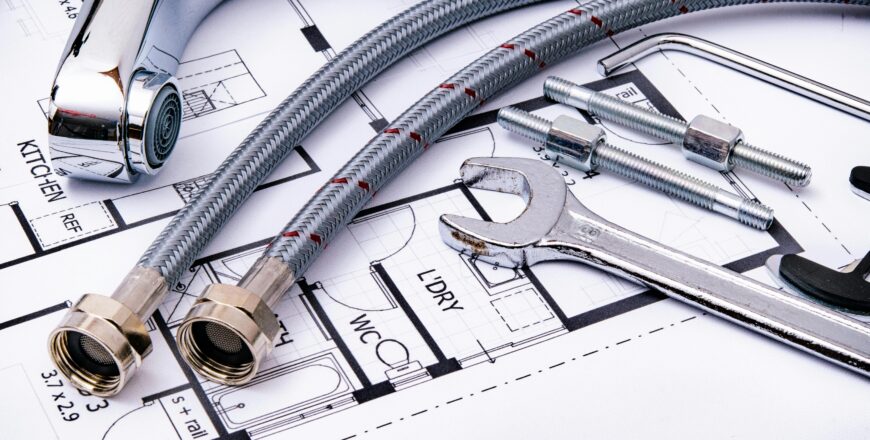
COURSE OVERVIEW: Plumbing is the skilled trade concerned with the installation, maintenance, and repair of systems used for the distribution of potable water, the removal of wastewater, and the provision of heating and sanitation in residential, commercial, and industrial buildings. These systems rely on a combination of pipes, fittings, valves, fixtures, and appliances that work together to safely deliver water and remove waste in accordance with established standards and codes. This course provides a foundational introduction to the principles and practices of plumbing, preparing students for entry-level work in the plumbing industry and for informed participation in environments that depend on modern plumbing systems. Through a combination of theoretical instruction and practical activities, students will develop an understanding of plumbing tools, materials, symbols, and system components. Emphasis is placed on safety, correct identification of components, accurate measurement, and proper installation techniques. Students will engage in hands-on learning experiences that involve working with common plumbing materials such as PVC, CPVC, PEX, and copper, as well as installing basic fixtures, faucets, and water supply and drainage systems. The course also introduces students to water heating systems and simple septic systems, enabling them to understand how these systems operate and how their components interact. Among the topics included in this course are: plumbing safety practices, identification and use of plumbing tools, measurement techniques, plumbing symbols and abbreviations used in architectural drawings, pipe and fitting identification, valves and meters, water heating systems, fixture installation procedures, drainage and venting systems (DWV), and the basic operation of a septic system. LEARNING OUTCOMES: Upon completion of this course students will be able to: - Demonstrate general safety practices related to plumbing, including the use of proper procedures and Personal Protective Equipment (PPE). - Recognize and correctly name common tools used in the plumbing trade and describe their functions. - Accurately use a measuring tape to take measurements required for plumbing installations. - Identify plumbing symbols and abbreviations commonly used in architectural and plumbing drawings. - Identify various types of plumbing fixtures and describe their applications. - Recognize and properly name different types of pipes and fittings used in plumbing systems. - Identify and describe the function of common valves and meters used in water supply systems. - Describe how the controls and heating elements of water heating systems operate. - Explain and apply techniques for working with pipes and fittings made from PVC, CPVC, PEX, and copper. - Describe proper installation procedures for fixtures, faucets, water supply lines, and DWV connections for different fixtures and appliances. - Explain the basic operation of a simple septic system and identify its main components. Duration: 6 Sessions

TTD 1,495.00 In Stock
Register
Skills Proficiency Certificate - Electronic Engineering
Technical Programmes Skills Proficiency Certificate - Electronic Engineering

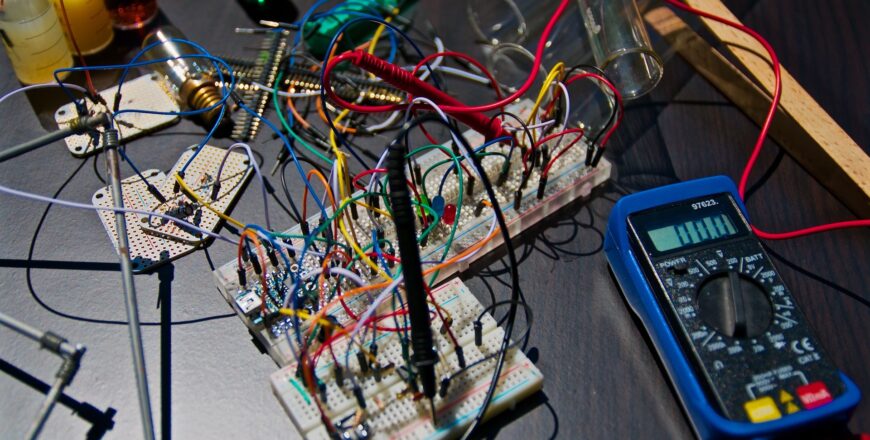
COURSE OVERVIEW: Electronic Engineering is the branch of science that deals with the study of the flow and control of electrons (electricity) in vacuum and matter. The flow of the electrons is controlled by utilizing various devices to resist, carry, select, steer, switch, store, manipulate and exploit the electron. These devices or components are called electronic devices and are used for rectification, generation, conversion, amplification and control of the electric current. This course is a foundation for entering careers and everyday participation in a culture grounded in electronics. As students engage in this course, they will learn the basic theories and principles that are fundamental to electronics through the development of practical and theoretical knowledge. The method for accomplishing this will include the application of the theory learnt in the course to build circuits in series and parallel on a breadboard and learning and applying practical skills such as soldering and reading a digital multimeter. Among the topics included in this course are: electrical and electronics safety, electrical component identification, introduction to voltage, current, resistance and schematic symbols, Ohm's law, Kirchhoff's laws, series and parallel circuits, measurement of key electronic parameters using a digital multimeter and bread-boarding. LEARNING OUTCOMES: Upon completion of this course students will be able to: - Understand basic atomic structure, components of the atom, their charges and how an electric current is developed as a result of these. - Identify the schematic symbols of several common electronic components and describe their functions; define terms used in electronics. - Name several electrical shock hazards, understand the practice of electrical safety via proper procedures and Personal Protective Equipment (PPE). - Discern between the various types of conductors and their conductivity; determine the size of conductor needed for an application. - Calculate voltage, current and resistance in series, parallel and series-parallel circuits. - Learn to use various electronics equipment including the digital multimeter, breadboard, soldering equipment. - Read and analyze electronic circuit diagrams. - Determine the expected resistance of a wire and estimate the change in resistance that occurs with changing wire characteristics. - Calculate the total capacitance of a circuit; calculate the time constant of a resistance-capacitance (RC) or resistance-inductors (RL) circuit; calculate the total inductance of a circuit. - Explain how inductors are constructed and describe how an inductor can regulate the flow of current in a DC circuit. - Describe how diodes and transistors work and how to determine if they're working properly; list uses for diodes and transistors in electronic systems. Lectures: 15 | Quizzes: 1 | Level: Intermediate

TTD 1,495.00 In Stock
Register
Skills Proficiency Certificate in Basic Electrical Installation
Technical Programmes Skills Proficiency Certificate in Basic Electrical Installation

COURSE OVERVIEW This course introduces participants to the fundamentals of electrical installation. Topics include electrical safety, electrical print reading, planning, layout and installation of electrical distribution equipment; lighting; overcurrent protection, conductors, branch circuits and conduits. Upon completion, students should be able to properly install conduits, wiring and electrical distribution equipment associated with residential electrical installations. Electrical Installation is a fundamental trade that involves the safe and correct installation of electrical wiring systems, conduits, and distribution equipment used in residential (domestic) buildings. These systems are designed to deliver electrical power efficiently and safely to lighting points, socket outlets, switches, and appliances in accordance with established electrical standards and safety regulations. This course provides a solid foundation for individuals seeking entry-level skills in residential electrical installation or for those wishing to develop a practical understanding of domestic electrical systems. Through a balance of theoretical instruction and hands-on practical activities, students will learn the principles, techniques, and safety practices required to carry out basic electrical installation tasks correctly and safely. Among the topics included in this course are: electrical safety practices, tools and materials used in electrical installations, types of wiring systems, conduit bending and installation techniques, electrical connections, wiring of lighting and socket outlet circuits, installation of basic electrical distribution equipment, and reading and interpreting electrical plans. LEARNING OUTCOMES: Upon completion of this course students will be able to: - Demonstrate safe working practices related to electrical installation, including the correct use of tools, equipment, and Personal Protective Equipment (PPE). - Identify and correctly name common tools, materials, and equipment used in residential electrical installations and describe their functions. - Install electrical conduits using proper measuring, cutting, bending, and fixing techniques. - Make safe and secure electrical connections in accordance with accepted installation practices. - Wire basic electrical circuits, including lighting circuits and socket outlets, used in domestic installations. - Install and connect basic electrical distribution equipment associated with residential electrical systems. - Read and interpret electrical plans and drawings used in domestic electrical installations. - Apply proper workmanship standards to ensure neat, safe, and reliable electrical installations. Duration: 12 Weeks | Lectures: 15 | Quizzes: 1
TTD 1,495.00 In Stock
Register
Video Editing
Technical Programmes Video Editing

Course Overview - At the end of the course, you would be able to make your own short videos using videos captured on a professional camera or high quality phone camera - Edit your videos - Add motion to your titles, photos, and videos - Color correct your video to fix issues with white balance and exposure. - Colour grading. - Apply visual effects such as stabilizing video, removing grain etc. - Edit green screen footage, adding backgrounds to your video This course will examine the latest video editing software available but will focus on adobe premiere pro for video editing. Awarding body - About London International College: London International College is a not-for-profit, independent sector college of higher education. Founded in 1974, it is one of the longest-established private colleges in London. London International College has graduated thousands of students, who have gone on to successful careers in exciting areas such as IT companies, the financial sector, marketing and further education. Duration: 8 Weeks | Lectures: 5 | Quizzes: 1

TTD 1,495.00 In Stock
Register
Website Design & Development
Technical Programmes Website Design & Development

Course Overview The course is designed to help learners understand the foundational techniques and technologies that utilized in creating webpages and websites. As a beginner course, it will be focused on the client-side technologies HTML5, Cascading Style Sheets (CSS) and Javascript. The course will introduce server-side technologies in a limited manner, to ensure that learners are exposed to the complete basic development process. LEARNING OUTCOMES: Upon completion of this course students will be able to: - Understand how to properly use HTML5 to mark-up web pages - Understand how to design basic website layouts using CSS - Understand use CSS to control web page design and appearance. - Understand how to use CSS to control design and appearance of multiple pages. - Understand basic Javascript syntax, and create JS functions to create dynamic client-side content - Use all their knowledge of HTML5, CSS and Javascript to create a simple website. - Understand how websites are hosted on the Internet - Understand the difference between client-side web development (design) and server side (production) deployment. Duration: 12 Weeks | Lectures: 17 | Quizzes: 1

TTD 1,895.00 In Stock
Register
Wireman's License Preparation for Exam
Technical Programmes Wireman's License Preparation for Exam

"To ensure the safety of the public, the Government Electrical Inspectorate certifies that wiremen carrying out electrical installations are qualified and capable to perform such work. Licences are issued to wiremen as verification of their certification" To qualify for acceptance to write the Wireman's Licence Examination a candidate must meet the following requirements: - A minimum age requirement of 23 years old - 3 years relevant work experience - Possess a Diploma in Electrical Installation from a recognised awarding body (NEC, City & Guilds, EduQual) - A degree in Electrical & Electronic Engineering/Technology. - Two (2) letters of recommendation from a Licenced Wireman or current and previous employers. Note: The application for the Wireman's Licence exam is done at the Electrical Inspectorate Service of Trinidad and Tobago not at SPA. At the end of this course students will be able to: - Understand the required standards for Electrical Installations as identified by the following regulatory bodies: Trinidad & Tobago Bureau of Standards - Electrical Wiring Code Part 1 Low Voltage Installation; Trinidad and Tobago Electricity Commission - Wiring for Lighting and Power. - Perform calculations to determine cable sizing, transformer sizing, Power Factor, Phase angle, Impedance and voltage drop. - Identify the requirements of load details and panel scheduling. - Understand requirements for earthing and standards for earthing. Awarding body - About London International College: London International College is a not-for-profit, independent sector college of higher education. Founded in 1974, it is one of the longest-established private colleges in London. Duration: 8 weeks | Lectures: 5 | Quizzes: 1

TTD 2,500.00 In Stock
Register