 Medical🔥 Hot
Certified Phlebotomist (AMT Certification)
$4,500 TTDEnroll →
 S.P.A. Education Ltd.

Since 1994, S.P.A. Education Ltd. has trained thousands of students across Trinidad & Tobago in Medical, Accounting, Business, IT and Engineering fields — with practical skills at the heart of every programme.

From internationally recognised diplomas to hands-on certificate programmes, every course is built around practical skills and real-world application.
Phlebotomy, EKG, Patient Care, Dental Assisting and more — many with international AMT certification.
View courses →Financial analysis, planning and management courses that sharpen real commercial decision-making.
View courses →Internationally recognised UK diplomas that open doors to degrees and management careers.
View courses →World-class technical qualifications in engineering, electrical and electronics technology.
View courses →Short, focused courses — from AI Fundamentals to Digital Forensics — to upskill fast.
View courses →Career-grade training designed with employers in mind, for professionals on the move.
View courses →Hands-on technical training using modern equipment, labs and visual learning aids.
View courses →Explore the full catalogue and find the programme that matches your career goals.
See everything →In-demand programmes our students love — many leading to internationally recognised certifications.
Medical🔥 Hot Medical🔥 Hot
 Certificate
 Medical🔥 Hot
 Certificate
 Certificate
 Business
 City & Guilds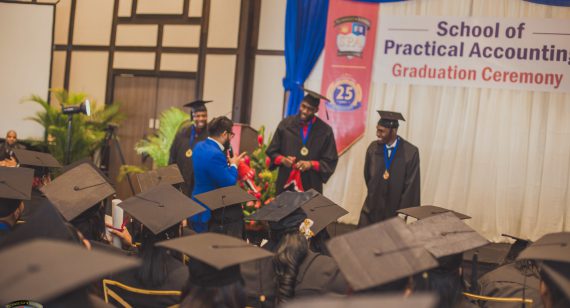
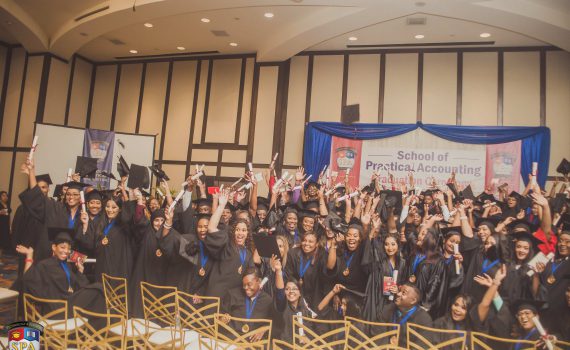
Founded in 1994, S.P.A. has evolved into a leading provider of academic and professional training programmes in the Medical, Accounting, Business, IT and Engineering fields. The core of every course is practical skills and applications — because practical knowledge is what wins in today's competitive job market.
Technology, modern equipment and visual aids enhance every student's learning experience.
Monthly and weekly installments for certificate programmes, plus special promotional discounts.
Our team consistently strengthens support systems and services — students always come first.
Traditional, technological and practical approaches combined, at an affordable cost — with a full e-learning portal.
To produce holistic, competent individuals by adopting a blended approach to learning — encompassing the traditional, technological and practical approaches available to deliver content at an affordable cost.
To meaningfully contribute to society by producing capable, efficient and competent individuals, equipped with the necessary knowledge, skills and ability crucial to the overall development of society.
Real experiences from graduates who invested in their future at S.P.A.
"My experience was truly refreshing. I worked with incredibly remarkable teachers, dedicated to each student's individual growth. The environment was always warm and inviting — there was never a dull moment for me at SPA. To anyone furthering their education: check out their options."
"Studying at the School of Practical Accounting has been incredible. The teachers have really helped me in all of my classes and put in the extra effort to make sure I did well."
"This course has allowed me various opportunities — the certification made a real difference to my career path and confidence on the job."
Applications are open for the June–October 2026 semester. Speak to our team today at 235-4772, 235-4399 or 235-4401 — or apply online in minutes.