

COURSE OVERVIEW:
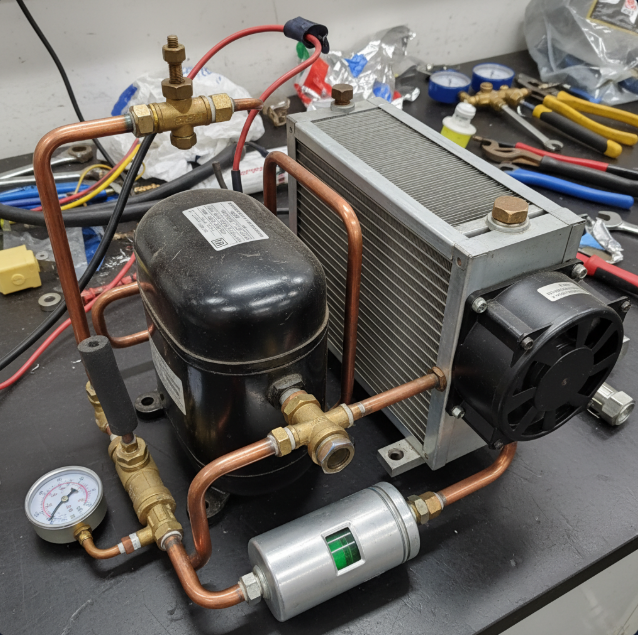
Refrigeration Repairs is a technical field concerned with the operation, maintenance, and repair of refrigeration systems used in domestic and light commercial applications. These systems function by removing heat from an enclosed space through a controlled refrigeration cycle, allowing food, medicine, and other temperature-sensitive items to be preserved safely and efficiently.
The Certificate in Refrigeration Repairs provides learners with a foundational understanding of refrigeration principles, system components, and basic repair practices. Delivered fully online, the course focuses on how refrigeration systems operate, the tools and safety procedures required for servicing, and the identification and diagnosis of common faults. Emphasis is placed on understanding system functionality, applying safe working practices, and using logical troubleshooting techniques to address common refrigeration problems.
As learners progress through the course, they will develop knowledge of the refrigeration cycle, major system components, and the interaction between electrical and mechanical elements within a system. The course also introduces routine maintenance procedures designed to improve system efficiency, reliability, and service life. This programme is ideal for individuals seeking entry-level knowledge in refrigeration repairs or those wishing to enhance their understanding of domestic and light commercial refrigeration systems.
Among the topics included in this course are: basic refrigeration principles, refrigeration system operation, component identification, tools and equipment used in refrigeration repairs, safety practices, common system faults, troubleshooting techniques, basic electrical and mechanical faults, and routine maintenance procedures.
LEARNING OUTCOMES:
Upon completion of this course students will be able to:
-
Explain the basic principles of refrigeration and describe how refrigeration systems operate.
-
Identify major refrigeration system components and explain their functions within the refrigeration cycle.
-
Apply appropriate safety procedures and demonstrate proper use of tools and equipment used in refrigeration repairs.
-
Diagnose common domestic and light commercial refrigeration faults using logical and systematic troubleshooting methods.
-
Explain basic electrical and mechanical faults commonly found in refrigeration systems.
-
Describe routine maintenance practices that improve refrigeration system efficiency, performance, and lifespan.


